The most common causes of clogged drains in Marina, CA come down to four things. Wipes and other items that do not belong in a toilet. Cooking grease in the kitchen line. Hair and soap in tubs and bathroom sinks. Roots in the pipe that runs from your house to the street. Each one leaves a different pattern, and reading that pattern tells you what to try first.
One slow sink usually means a clog close to that fixture. Two or three drains slowing at the same time usually means the main line. This guide walks through each cause, how to spot it, and when it is time to stop and call (855) 575-2890. Our line is open 24 hours a day if a drain backs up at night.
Wipes: the clog that looks harmless
Wipes are the top offender in toilet and main line clogs. Packages say "flushable," but that word describes whether the wipe fits through the bowl, not whether it breaks down in the pipe. Wipes hold together, snag on rough spots, and collect toilet paper and grease around them until the line is blocked.
The Marina Coast Water District (MCWD) says to flush only human waste and toilet paper. It also asks residents not to flush unapproved wipes because they can clog sewer lines and pipes. Paper towels, cotton swabs, dental floss and feminine products belong in the trash for the same reason.
Worth knowing
A toilet that drains slowly after every flush, or gurgles when a nearby shower runs, often has a wipe wad sitting just past the trap. A plunger sometimes moves it. If it only moves a few feet down the line, the clog returns.
Grease and cooking fat in kitchen lines
Grease goes down the sink as a hot liquid and turns into a waxy coating as it cools. Each wash adds a layer. Food scraps stick to that coating until the pipe narrows and the sink drains slowly, then stops.
An EPA report to Congress from 2004 found that grease from restaurants, homes and industrial sources was the most common cause of reported sanitary sewer overflows, at 47 percent of blockages. That is a national figure from a government source, and it shows how often grease is behind sewer trouble.
MCWD says hot water and soap do not eliminate fats, oils and grease because it can reform and solidify in the pipes. Running the tap hot after pouring bacon fat down the drain only moves the problem further down the line. Let fat cool, scrape it into the trash, and wipe pans with a paper towel before washing.
- Never pour cooking oil, bacon fat or gravy down the sink or disposal.
- Scrape plates into the trash before rinsing.
- Use a sink strainer to catch food scraps.
- Wipe greasy pans with a paper towel first.
Hair and soap in tubs, showers and bathroom sinks
Hair is the main reason tubs and showers clog. It wraps around the drain crossbar and the pop-up stopper, then catches soap scum and forms a mat. HomeAdvisor's 2025 cost guide says the same thing in plain terms: bathtubs and showers primarily collect hair and soap scum.
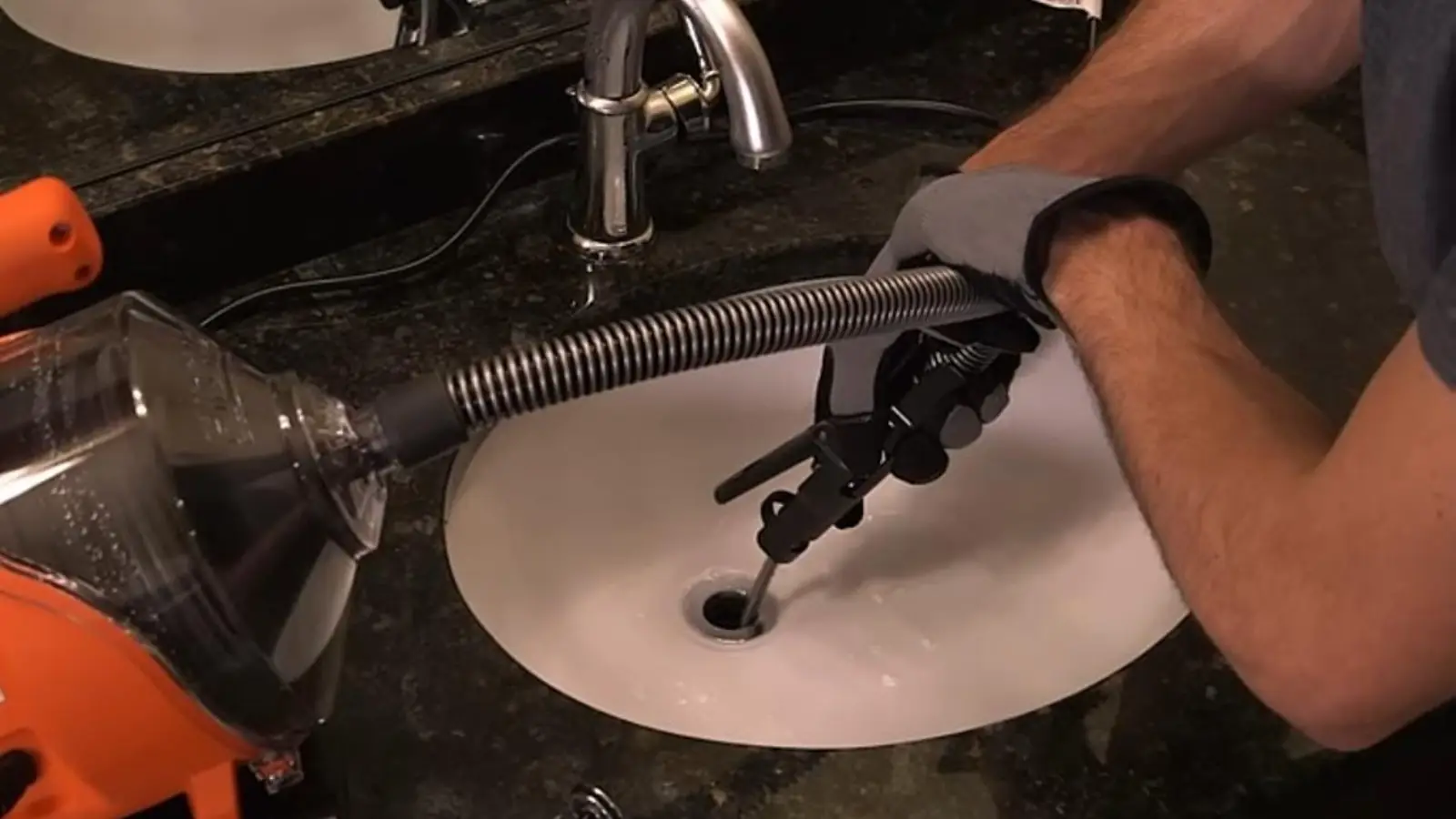
This is the clog most worth fixing yourself. Pull the stopper, clean off the hair, and use a drain strainer afterward. A cheap plastic drain snake often clears what is left. Skip harsh store-bought cleaners if you can, because plumbers warn they can corrode older pipes and are hard to handle safely.
Do baking soda and vinegar work?
They can loosen a minor clog because the fizz may push out small debris. Plumbing companies generally say they do little against a real clog of grease, hair and soap. Treat the mix as light maintenance, not a repair, and use a plunger or snake if water still stands in the basin.
Roots and trouble in the side sewer
Roots find tiny gaps at pipe joints, grow toward the moisture, and fill the pipe with a fine web that catches paper and waste. A franchise plumbing blog from 2026 calls tree roots the leading cause of blockages in water and sewer mains. That is one company's view, but it matches what plumbers see in older clay and cast iron lines.
Root clogs return. You clear the line, it works for a few months, then it slows again. The usual signs are a main line that backs up again and again, gurgling toilets, and a wet or unusually green patch in the yard along the sewer path.
A camera inspection shows whether roots, a bellied pipe or a cracked joint is the cause. That tells you whether cleaning is enough or the pipe needs repair. Our sewer inspection and sewer line repair pages explain both steps.
Read the clue: which clog is it?
| What you notice | Likely cause | First step |
|---|---|---|
| One sink or tub drains slowly | Hair, soap or grease near the fixture | Clean the stopper and trap, then try a plunger or hand snake |
| Toilet gurgles or drains slowly after each flush | Wipes or too much paper | Plunge, then stop flushing anything else |
| Kitchen sink slow, smells sour | Grease and food buildup | Strain scraps, flush with hot water, call if it returns |
| Several drains slow at once | Main line clog, often roots or wipes | Stop using water and call |
| Water backs up into a tub or shower when a toilet flushes | Blockage in the main sewer line | Stop all water use and call right away |
| Clog returns every few months | Roots or damaged pipe | Ask for a camera inspection |
MCWD lists multiple interior drains backing up or clogged at the same time as a warning sign of a larger problem. If that is what you are seeing, do not keep running the dishwasher or washing machine. Every gallon you add has nowhere to go.
What to try first and what to leave alone
A plunger, a hand snake and a cleaned trap solve most single-fixture clogs. Chemical drain openers are the thing to leave alone. They can sit in a stopped pipe, burn skin, and make the next plumber's work more hazardous.
- Use the right plunger: a cup plunger for sinks, a flange plunger for toilets.
- Remove and clean the P-trap under the sink with a bucket underneath.
- Pour no chemicals into standing water.
- Stop if the water rises or you hear gurgling from other drains.
Published marketplace cost guides give national figures only. HomeAdvisor's 2025 guide shows unclogging a drain at about $147 to $345, and clearing a main sewer line from about $100 to $800. Those are national ranges, not Marina quotes. Your price depends on access, the length of the run and the cause. We give a clear price before work starts.
When you need cleaning past the trap, our drain cleaning service covers sinks, tubs and main lines. For stubborn grease or root buildup, hydro jetting scours the pipe wall instead of poking a hole through the clog. We also take drain calls from neighbors in Seaside and Castroville.
What MCWD and Marina's code say about your sewer line
Marina Coast Water District owns and operates the pipes and pumps that carry wastewater to the Monterey One Water Regional Treatment Plant. That covers the public sewer in the street. The pipe from your house to that public line, called the side sewer or lateral, is a different matter.
According to MCWD's code, section 5.16.090, side sewers are maintained by the owner of the property served. In plain terms, a clog or crack in your lateral is yours to clear and repair, not the district's. The district's wastewater page asks owners to look after their laterals.
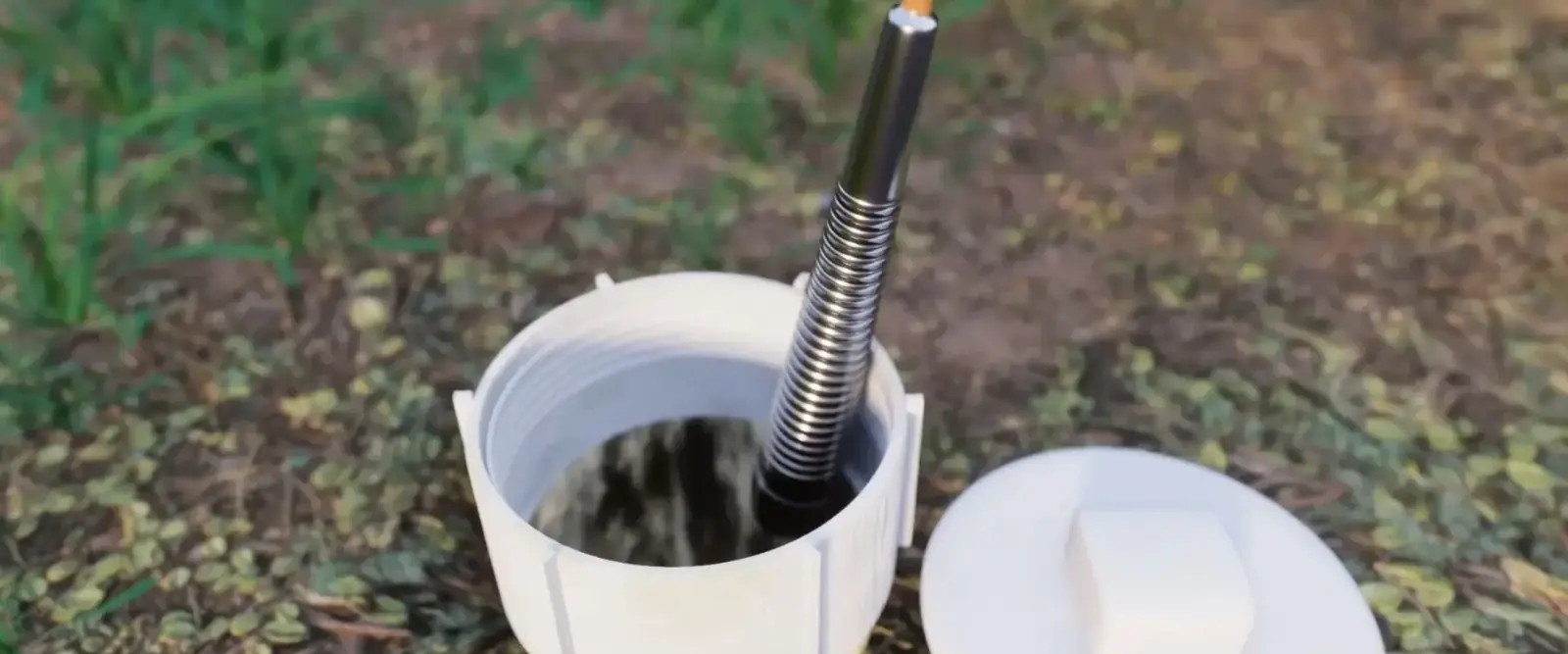
The same code, section 5.16.120, calls for cleanouts at the plumbing connection, at bends of 45 degrees or more, and at the lateral connection, spaced no more than 100 feet apart. Know where your cleanout cap is. It is the access point for cleaning and for a camera, and a missing or buried one adds work.
MCWD's grease program and the rule requiring grease traps apply to food service businesses, not homes. Even so, the district's message about fats, oils and grease applies to every kitchen. If you see sewage coming back up, MCWD asks you to report a sewer backup or spill at (831) 384-6131 or (831) 883-5900.
Frequently asked questions
Grease is the usual reason. Fat from cooking coats the pipe a little more each time you wash dishes, and food scraps stick to it. The sink drains a bit slower each week until it stops.
Use a strainer, scrape pans into the trash, and never pour fat down the drain. If the sink clogs again within weeks of cleaning, ask for a camera look at the line.
No. The label means the wipe fits through the toilet, not that it breaks down like paper. Wipes tangle, catch other debris, and are a leading reason for toilet and main line clogs. MCWD asks residents to flush only human waste and toilet paper.
Repeated main line backups, gurgling from several drains, and a patch of unusually lush or soggy yard along the sewer path all point to roots. Only a camera inspection confirms it. Roots in a line can return after cleaning, so seeing the pipe tells you whether repair is needed.
They can help with a minor clog and fresh smells. They rarely clear a real blockage of grease, hair and soap. If water still stands after the fizz settles, use a plunger or snake, or call a plumber.
We advise against it. Chemicals can sit in a stopped pipe, splash back on skin, and make later repair work more hazardous. They can also be hard on older pipes. A plunger, a hand snake and a cleaned trap are safer first steps.
When a tub, a sink and a toilet all slow down together, the blockage is usually in the main line downstream of those fixtures. Stop using water and call. Running more water into a blocked main line can push wastewater back out through the lowest drain in the house.
Yes. MCWD's grease program is aimed at food service businesses, but home kitchens add grease to the same sewer lines. A household sink with an oily pan every night builds up the same waxy layer over time.
Call (855) 575-2890. The line is open 24 hours a day, 7 days a week. Same-day appointments are available when we have openings, and we give a clear price before work starts. If wastewater is entering the house, stop using water until we arrive.