A tankless water heater in Marina, CA heats water only when you open a tap, so there is no tank to run out. We install new on-demand units, repair ones that throw error codes or run cold, and flush scale from heat exchangers. Call (855) 575-2890 to talk through your situation.
A licensed and insured plumber looks at your gas line, vent, electrical service and water quality before recommending anything. You get a clear price before work starts, and we offer same-day appointments when available.
How a tankless heater works at your tap
When a hot tap opens, flow sensors trigger a burner or electric elements. Water passes through a heat exchanger and leaves at the set temperature. When the tap closes, the unit shuts off. Nothing is stored, so standby heat loss is gone.
The tradeoff is capacity. A tankless unit has a maximum flow in gallons per minute at a given temperature rise. Run a shower, a dishwasher and a laundry load together and a small unit may not keep up. That is why sizing matters more than brand.
Safety steps if a tankless unit fails
If you smell gas near a tankless unit, step outside, call 911 from a safe distance, and then contact PG&E at 1-800-743-5000.
- Close the water and gas valves on the unit only if they are easy to reach and there is no gas odor.
- Do not remove the vent or the cover to look inside.
- Write down any error code on the display so you can tell the plumber.
Is tankless right for your home? Gains and trade-offs
| Factor | Tankless | Tank-style |
|---|---|---|
| Hot water supply | Continuous while capacity holds | Limited by tank size, then recovery time |
| Typical lifespan | About 20 years in one national guide | About 8 to 12 years |
| Upfront cost | Higher, often two to three times a tank | Lower |
| Space | Wall mounted, small footprint | Floor space needed |
| Installation needs | Larger gas line, special venting or higher electric load | Usually simpler connections |
| Scale sensitivity | Heat exchanger needs periodic descaling | Tank needs periodic flushing |
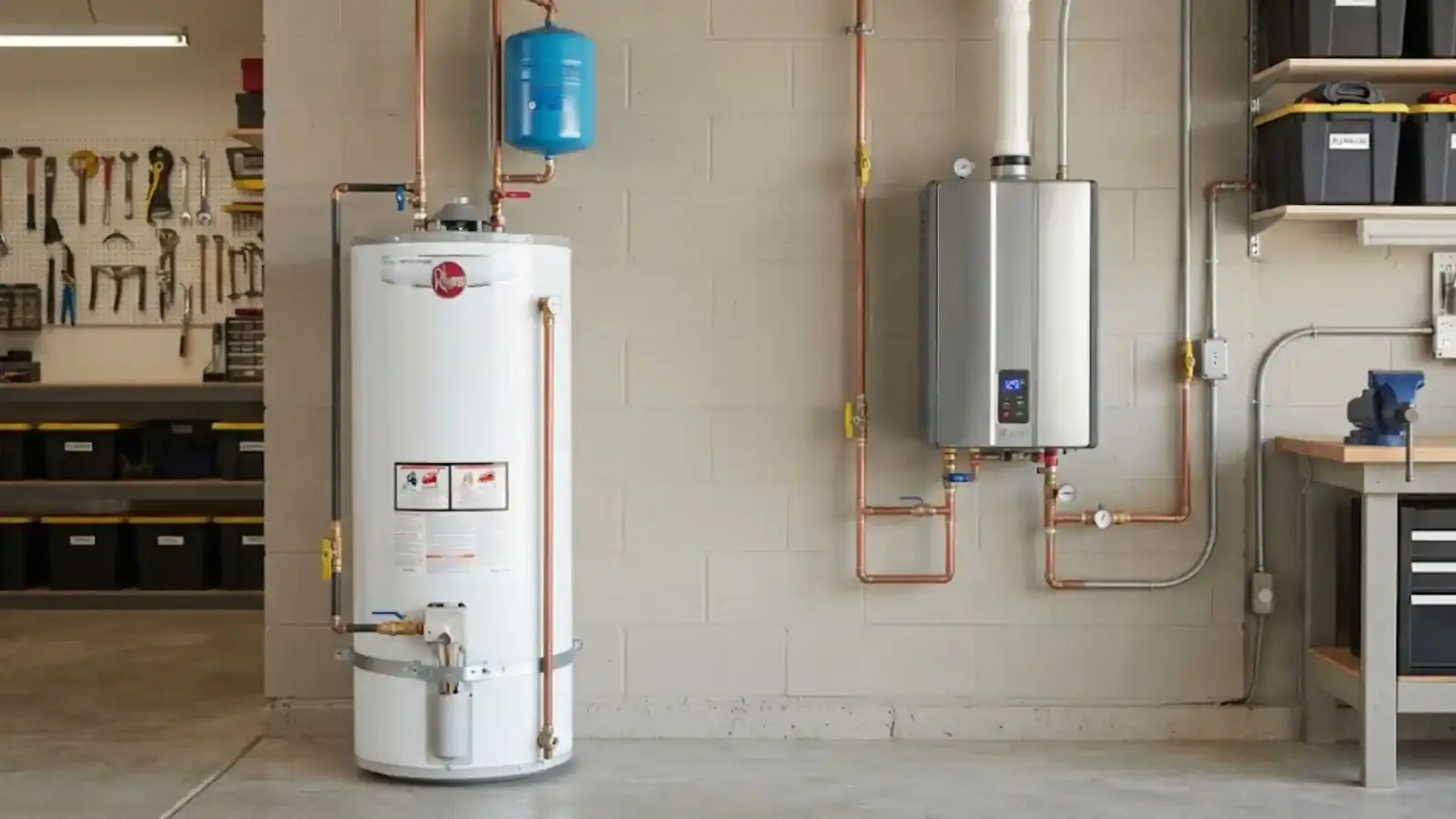
Tankless suits households that value space and long service life and can handle the install cost. A tank heater still makes sense when the budget is tight or the home cannot support the gas or electrical upgrades.
Installing a tankless unit: gas, venting and power
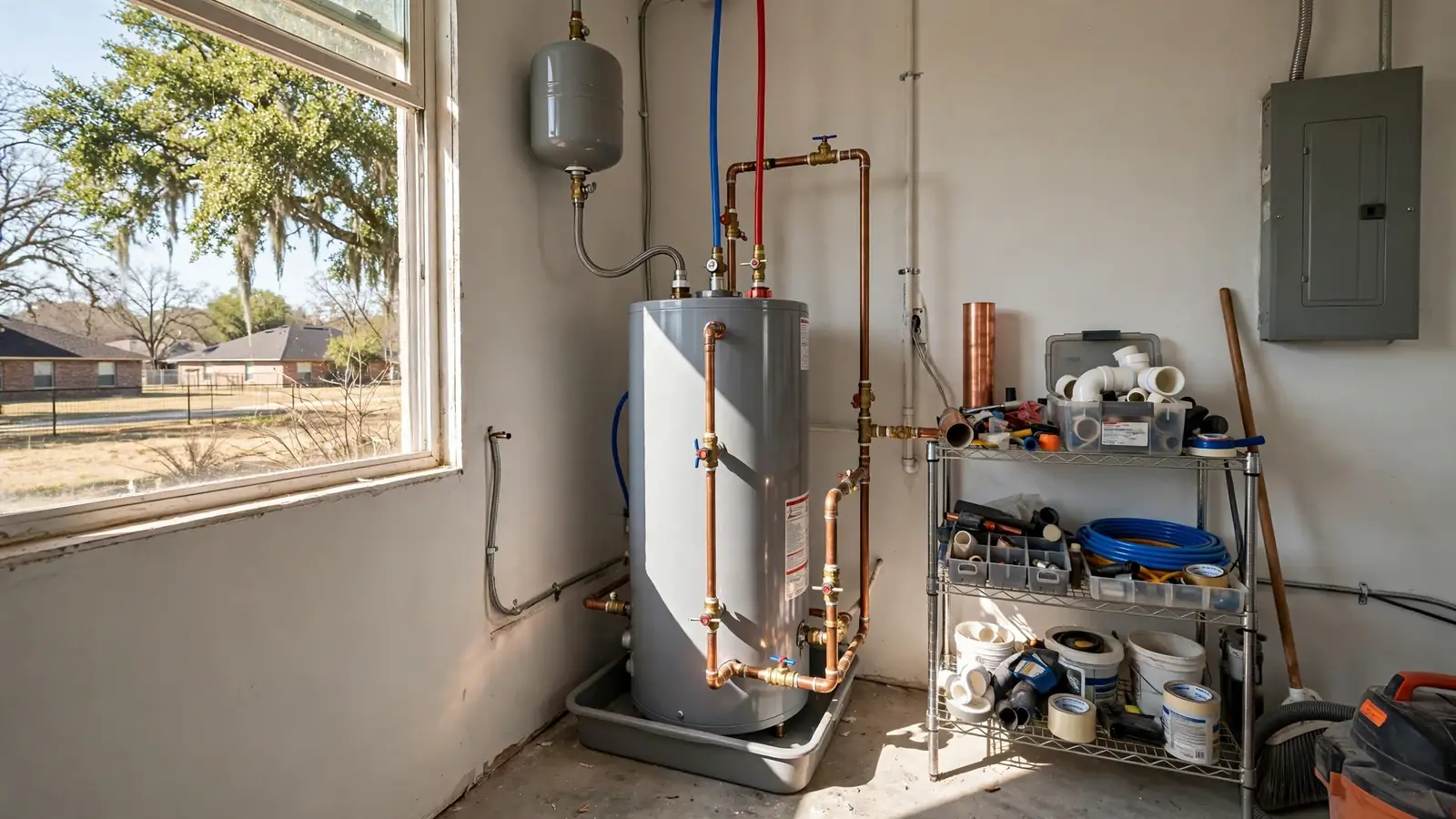
Most tankless installs involve more than swapping the heater. Gas models often need a larger gas line than a tank heater, because the burner is much stronger. They also need a sealed or direct vent run, and the vent route can change the price.
Electric models draw large amounts of current and may need new breakers or a service panel upgrade. Point-of-use units are smaller and serve one fixture, such as a distant bathroom. For a whole-house comparison with storage tanks, see water heater installation.
- Gas line size checked against the unit's input rating.
- Vent material, route and termination planned before purchase.
- Electrical load and panel space confirmed for electric models.
- Condensate drain for high-efficiency gas units.
- Pressure relief protection fitted per the maker's instructions.
- Permit and inspection questions settled with the City of Marina Building Division at (831) 884-1241.
We do not state a Marina permit rule without confirming it. The Building Division will tell you what applies to your address, including any questions about fuel type.
Flushing and descaling with Marina Coast Water District water
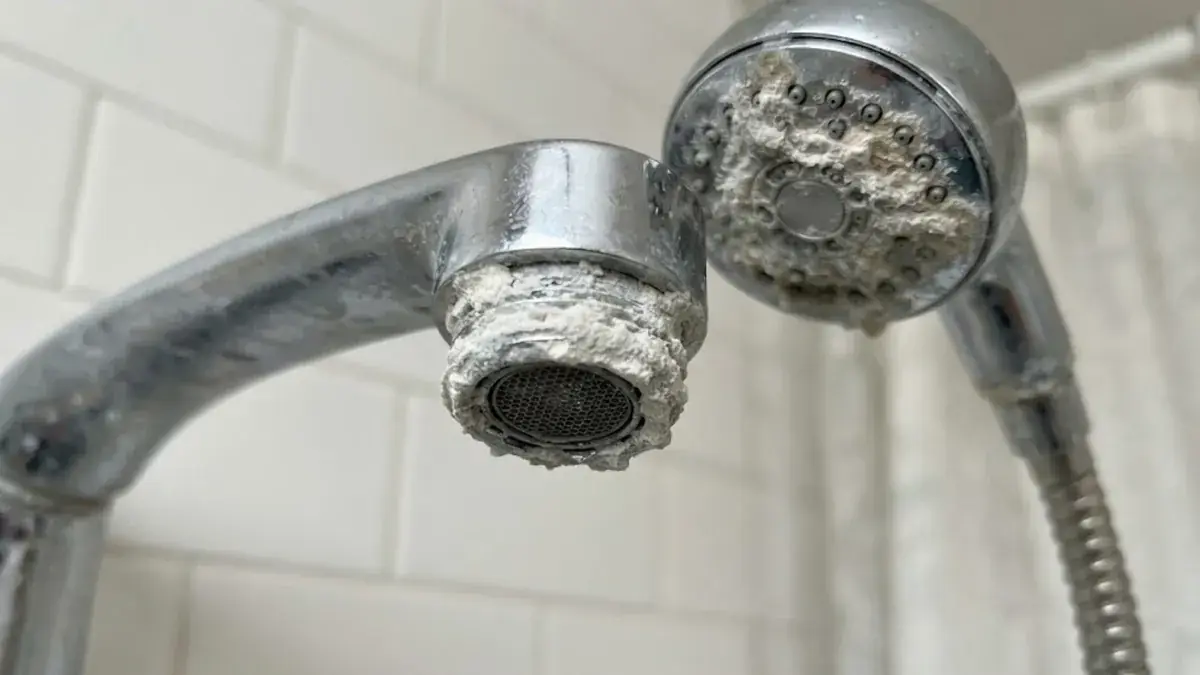
Marina Coast Water District's 2025 water quality report shows total hardness averaging about 10.5 grains per gallon, with a range of 4.9 to 19.3. Hardness is not a regulated drinking water standard, but it does matter for heaters. The district suggests regular flushing of water heaters, following the manufacturer's guidance, to limit mineral buildup.
In a tankless unit, minerals coat the narrow passages of the heat exchanger. Symptoms include longer waits for hot water, fluctuating temperature, error codes and reduced flow. A flush pushes a descaling solution through the unit and then rinses it clean.
Maker instructions usually include isolation valves with service ports, which make the flush simple. If your unit lacks them, we can add them. A softener upstream can reduce scale at the source, and our water softener and filtration page covers when that makes sense.
Repairing a tankless heater: codes, cold bursts and leaks
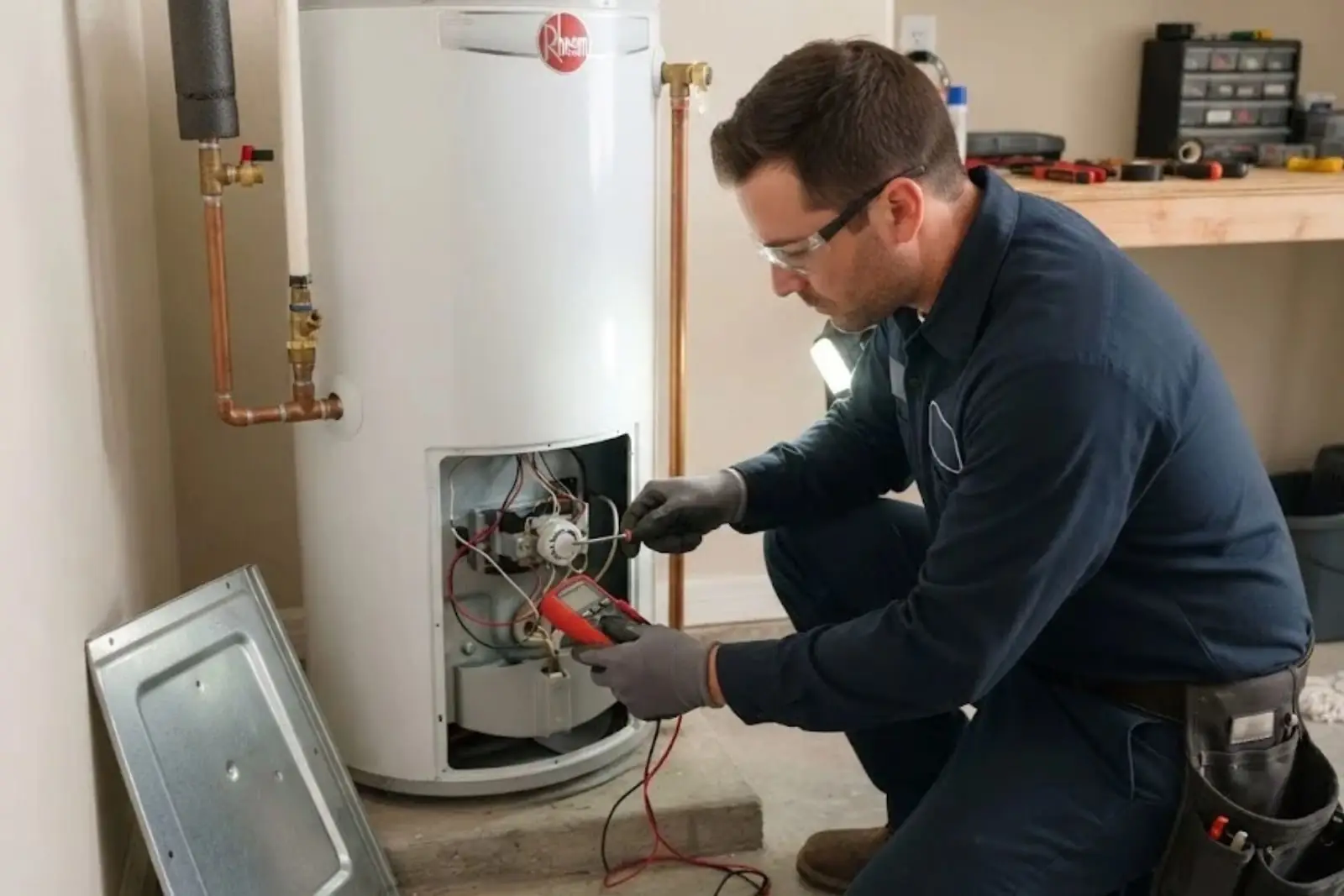
Tankless units report faults through error codes on the display or remote panel. The code tells us which sensor, igniter, fan or flame circuit the unit flagged. Share the code when you call and we can plan the visit.
| Symptom | Likely cause | Typical response |
|---|---|---|
| Lukewarm or fluctuating water | Scale in heat exchanger, undersized unit, or mixed flow | Flush, then check sizing and flow |
| No hot water, error code | Failed sensor, igniter, flame rod or exhaust problem | Read code, test part, replace |
| Short bursts of cold water | Low flow, tripped safety, or recirculation mixing | Check flow minimum and settings |
| Water at base of unit | Loose fitting, failed valve or corroded exchanger | Find source, repair or replace |
| Gas smell | Gas leak at fittings | Leave, call 911, then the gas utility |
If the heat exchanger has failed or the unit is old, replacement may cost less than chasing parts. We will tell you which way the numbers point.
Typical costs from national guides
| Item | Typical range |
|---|---|
| Tankless installed, most homes | $1,400 to $3,900 |
| Installation labor | $600 to $1,850 |
| Permit, where required | $50 to $500 |
| Tight-access labor addition | 10% to 15% |
| Tank-style, for comparison | $600 to $2,500 |
Guides list averages near $2,600 for tankless installation. Local prices vary with fuel, venting, gas line work and electrical upgrades. We give a clear price before work starts. Our 24/7 line at (855) 575-2890 is open if a unit fails at night, and water heater repair covers urgent tank problems.
Frequently asked questions
Yes. We install gas and electric on-demand units, including point-of-use models. We start by checking your gas line, vent path and electrical capacity so the unit can perform as expected.
Usually yes, but plan for extra work. Gas models may need a larger gas line and new venting. Electric models may need panel capacity. We review these before pricing the job.
Follow your manufacturer's schedule. Marina Coast Water District suggests regular heater flushing, and local hardness averaged about 10.5 grains per gallon in 2025, so scale is a real factor.
Low flow, a tripped safety, scale or a recirculation mix can all cause this. Share the error code and the fixture involved, and we can narrow it down.
Not usually. Code exempts instantaneous non-storage heaters from the expansion tank rule, but the rest of the system still matters. We check pressure and relief protection on every install.
Turn off the water to the unit and shut off its power or gas. Then call us. A leak can come from a loose fitting or a failed exchanger, and the cause decides repair or replacement.
It depends. Longer life and space savings help, but installation costs more and may involve line or electrical upgrades. We lay out both options so you can decide.
Our line is open 24 hours a day, and we offer same-day appointments when available. Call (855) 575-2890 with the symptoms or error code.