
A slab leak means a water pipe under or inside your concrete floor is leaking, and in Marina, CA the first step is to call our 24/7 line at (855) 575-2890. While you wait, close the main water valve, turn the water heater off if hot water is the problem, and stay off wet floors near outlets or appliances.
Slab leaks are hard because the pipe is buried and the damage spreads sideways. We confirm the leak, explain the repair options in plain words, and give a clear price before work starts. Same-day appointments are available when possible across Marina, Seaside and Castroville.
Slab leak emergency: the first 15 minutes
Water that has nowhere to go spreads under flooring and into walls. Act quickly, even if the leak looks small.
Close the main valve
Turn off the water at the house shutoff. Then open one faucet to relieve pressure and see whether the sound stops.
Protect electrics
Do not touch outlets or cords on wet floors. Switch off the breaker for a flooded room only if the panel is dry and reachable.
Lift what you can
Pull up rugs and move furniture. Wet carpet pad and wood flooring are hard to save after a day or two.
Check the meter
With the main closed, a moving meter dial points to a leak before the house valve. Call the district's 24-hour line at (831) 883-5900 if the meter box is wet.
Call us
Phone (855) 575-2890 any hour, including nights and weekends. Tell us what you hear, see and feel underfoot.
Gas smell?
If you smell rotten eggs or hear hissing, leave the building, call 911 from a safe distance, then call PG&E at 1-800-743-5000. A slab leak is never a reason to stay inside.
How slab leaks show up
People rarely see a slab leak. They notice effects: a hot spot on the floor, the sound of water at night, or a bill that no longer matches how they live. Some find damp baseboards, curling laminate or a musty smell along one wall.
- A warm or hot patch on the floor, which can mean a hot water line is leaking beneath it.
- Running water sounds with every fixture off.
- Cracks, lifted tile or floors that feel soft.
- Low hot water pressure, or a water heater that seems to run constantly.
- A meter that keeps moving when the house is quiet.
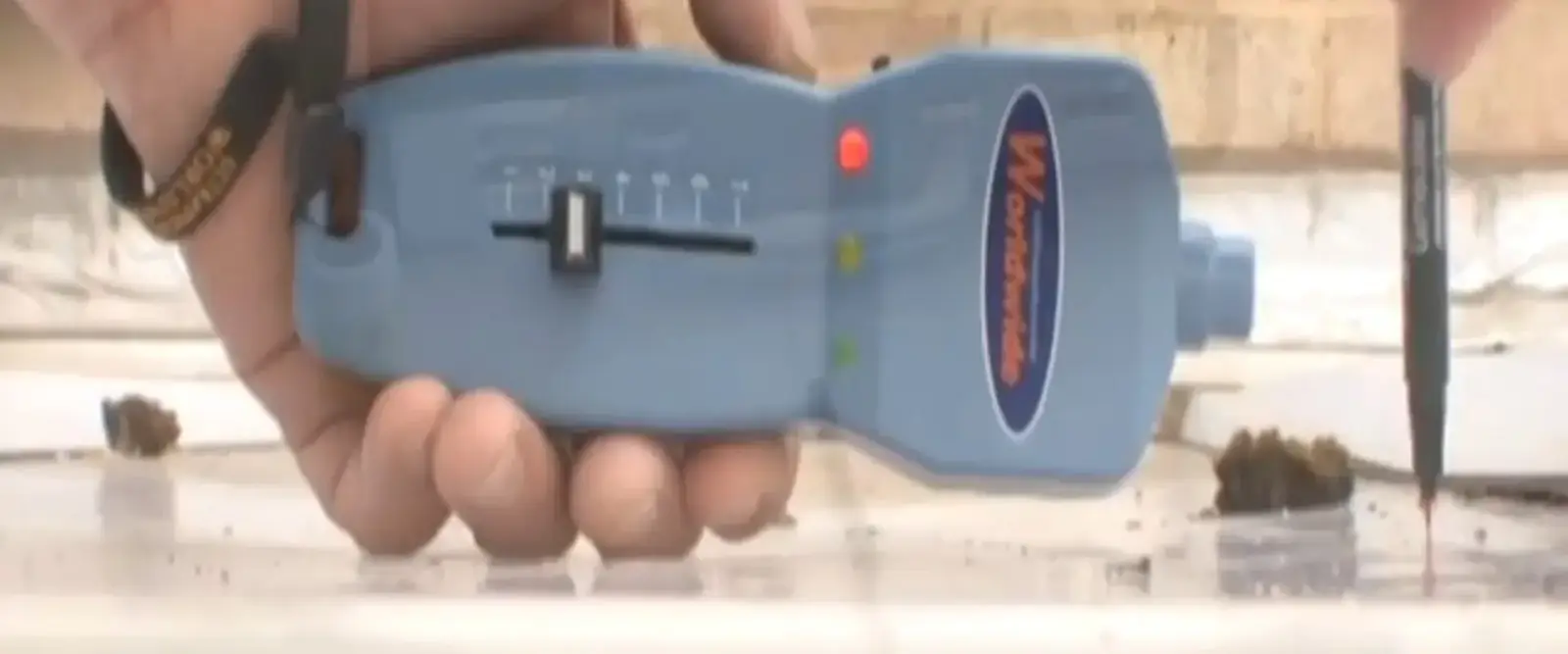
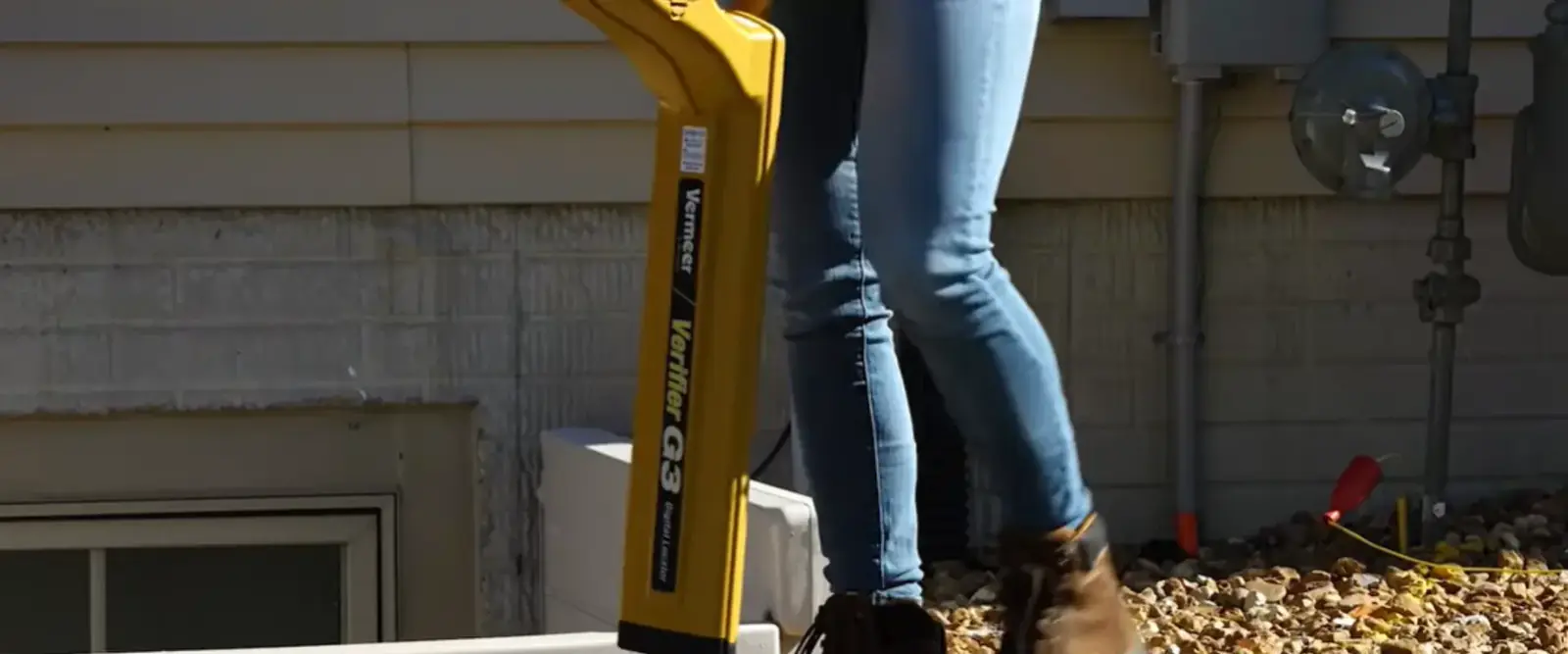
These signs overlap with other problems, so a leak should be confirmed before concrete is touched. Our leak detection service covers the confirming step.
Spot repair, tunnel, lining or reroute
There is no single best fix. The right choice depends on how many pipes are failing, where they run, and how much disruption you can accept.
| Option | What happens | Trade-off |
|---|---|---|
| Break the slab and spot repair | Concrete is opened above the leak and the pipe section is replaced | Direct fix, but flooring and concrete need patching |
| Tunnel under the slab | Access is dug from outside to reach the pipe from below | Keeps floors intact, but needs outdoor digging |
| Pipe lining | A coating is applied inside the existing pipe | Less demolition, though not suited to every pipe |
| Reroute | Old under-slab lines are capped and new ones run overhead or in walls | Higher cost, and often best when several pipes are failing |
A spot repair answers one leak. If a second or third pinhole follows, rerouting can be cheaper than repeated visits. For a whole house of aging lines, see repiping.
Sandy soil and the ground under Marina slabs
A state environmental document for a project in the Marina area describes extensive sand dunes made of unconsolidated, highly erodible sand. It also notes a relatively high potential for liquefaction in loose, sandy soils within 50 feet of the surface. That is regional geology, not a finding about any one lot.
What it means for you: ground support can differ from one lot to the next, so a plumber should look at the whole slab layout and not only the wet spot. In general, soil that settles or shifts can stress pipes that are embedded in or under concrete. That is general plumbing knowledge, and no one can say it caused your leak without inspecting the pipe.
Outdoor digging in loose sand also needs care, because trench walls can slump. Tunnel and outside-access repairs are planned with that in mind.
What slab leak repair typically costs
Published guides show national figures, not Marina prices, and they disagree with each other. We list them so you can judge a quote, never as our price.
| Work | Published range | Source |
|---|---|---|
| Overall slab leak repair | $630 to $4,400 for most homeowners, $2,280 average | HomeAdvisor, 2025, national |
| Pinhole spot repair | $150 to $800 | HomeAdvisor, 2025, national |
| Reroute | $600 to $4,000 | HomeAdvisor, 2025, national |
| Reroute | $4,000 to $15,000 | Fixr, 2025, national |
| Lining | $500 to $2,000 | Fixr, 2025, national |
| Break the slab | $500 to $3,000 | Fixr, 2025, national |
The two guides differ on reroutes by a wide margin. Pipe count, leak location, flooring type and access all move the price, which is why we quote after confirming the leak.
Insurance, tenants and the 72-hour rule
According to the California Department of Insurance, homeowners policies typically cover sudden and accidental water damage, but not seepage, leaks, wear and tear, or neglect. One cost guide says slab leaks are usually not covered, though policies vary. Read your exclusions and call your insurer before repairs begin. Photos and a written leak report help. This is not coverage advice.
Under Marina Coast Water District rules, plumbing leaks must be repaired within 72 hours, and the owner maintains the pipes on the customer side of the meter. Any bill credit is discretionary, and a leak out in the yard line is covered on our water service line repair page. About 57% of Marina homes are not owner-occupied by Census figures, so tenants should notify the landlord in writing the same day.
Frequently asked questions
Yes. Our line at (855) 575-2890 is open around the clock. Close the main valve, call, and describe the signs. We schedule same-day appointments when available and give a clear price before work starts, including after hours.
Closing the main valve can stop the loss, but you cannot live without water for long. Hidden water can also soak flooring and framing. Calling the same day lets you choose a repair plan while the damage is still limited.
A water heater leak shows up around the tank or its drain pan. A slab leak shows up at the floor, in the meter reading, or as a hot spot with the heater itself dry. A plumber can tell them apart with a pressure test.
Not always. Some leaks can be reached by tunneling, lining or rerouting. Breaking the slab is one option, and we explain the trade-offs before anything starts.
We cannot say that for any one home. Soil conditions can affect any slab, but the cause of a leak is found by inspecting the failed pipe. We would not guess before looking.
Often not for gradual leaks, and sometimes yes for a sudden break, depending on your policy. Check the exclusions and ask your insurer first. Keep photos and any leak detection report.
The Marina Coast Water District owns the meter and service connection. Pipes past the meter belong to the property owner. If you are unsure where the leak sits, call the district's 24-hour line at (831) 883-5900.