Plumbing installation in Marina covers more than setting a fixture. It includes new supply and drain lines, moving a sink or toilet, adding a bathroom, and the rough-in plumbing that goes inside walls before drywall closes. We are licensed and insured, and we give you a clear price before work starts.
Good installation work is mostly planning. Pipe sizes, drain slopes, vent paths, shutoffs and access panels all get decided before anything is hidden. This page explains what each type of job involves, what published cost guides typically show, and what Marina homeowners and landlords should know before they start.
Jobs we install, and what each one involves
| Job | What it involves | Planning point |
|---|---|---|
| Toilet or sink replacement | Remove old fixture, check supply and drain, set and test | Confirm the rough-in distance fits the new model |
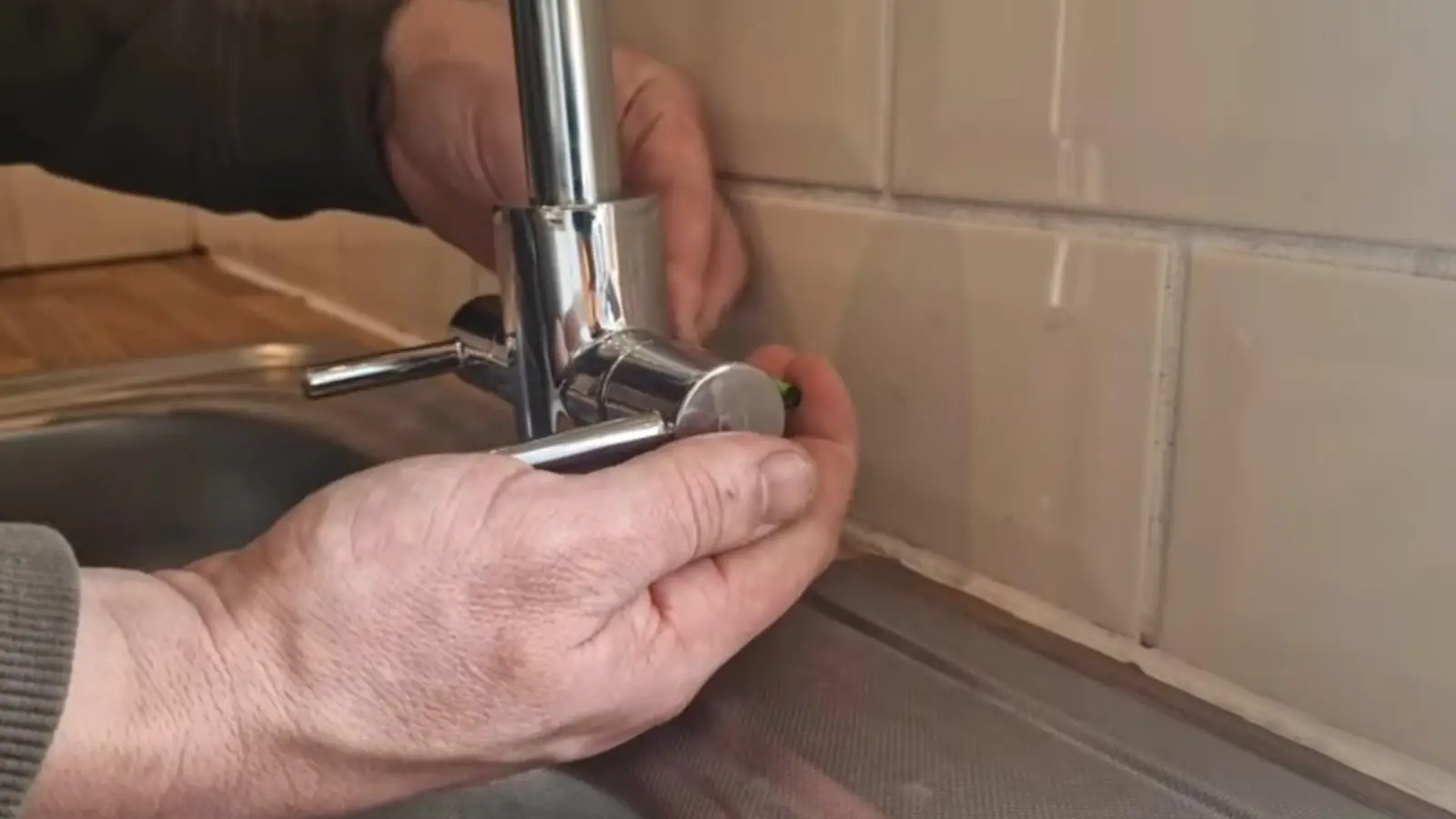
| Kitchen faucet or disposal | New connections, shutoffs, sometimes an outlet | Check cabinet space and power |
| New bathroom or half bath | Water, drain and vent lines to a new location | Needs a permit and inspection |
| Moving a fixture | Cut and reroute drain, vent and supply | Floor or wall access and slope matter |
| Washer, ice maker or utility sink | Supply valve, drain box and hookups | Hose and drain heights must match |
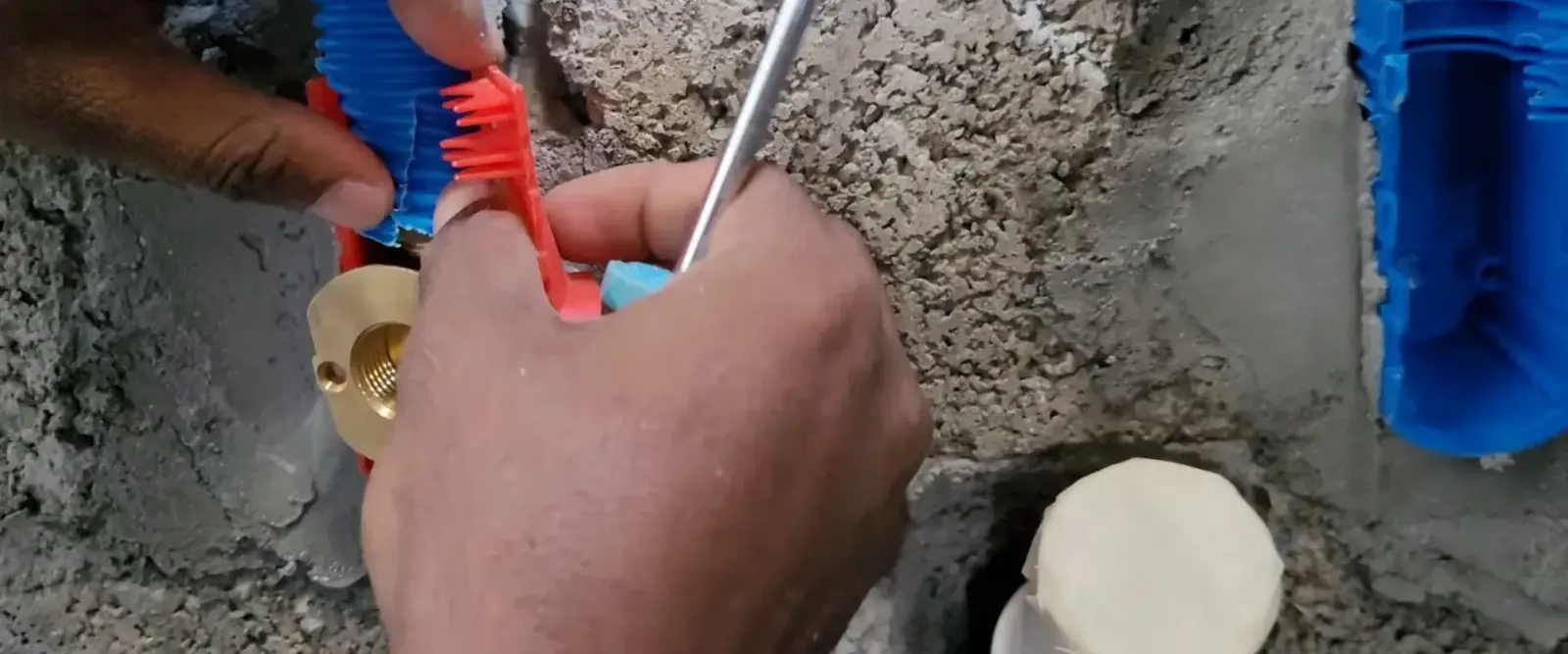
| Remodel rough-in | Lines placed in open framing | Done before walls and floors close |
If your project is larger, such as replacing every supply line in an older house, see repiping for that scope.
Typical costs from published guides
Most published guides give national figures, not California ones. None of these is a Marina quote, and your price depends on access, fixtures and permits. We give you a clear price before work starts.
| Item | Typical national range |
|---|---|
| Toilet installation (2025) | $224 to $533 |
| Kitchen faucet replacement (2025) | $162 to $364 |
| Garbage disposal replacement (2025 to 2026) | $200 to $625 |
| Permit when moving plumbing | $50 to $500 |
| New supply line for a bidet or smart toilet | $450 to $1,800 per toilet |
Three things move the total most. They are the fixture and its features, whether new power or supply lines are needed, and how hard the work area is to reach.
New lines and relocating fixtures
Moving a sink or toilet is the job that surprises owners. Drains need slope, and each fixture needs a vent so the trap does not siphon. The California Plumbing Code, part of the California Building Standards Code, sets limits on how far a trap can sit from its vent, so a fixture cannot be placed just anywhere.
Slab homes and second-floor bathrooms add limits of their own. A slab may need cutting, and a new drain on an upper floor needs framing space. We walk the site, mark the route and tell you if a move is practical before you buy materials.
Planning a water heater swap alongside the work? Water heater installation fits well into the same schedule.
Remodel rough-in: the stage before the walls close
Measure and mark
We confirm fixture positions, heights and clearances with the cabinets, tub and vanity you chose.
Run the lines
Supply, drain and vent lines go into open framing with shutoffs placed where you can reach them.
Pressure test
Before anything is covered, the lines are tested for leaks.
Inspection
Where a permit is required, the city inspects the rough-in before drywall. The Building Division schedules inspections by appointment, at least 24 hours ahead.
Trim out
After walls and tile, we set faucets, toilets and fixtures and test every one.
Order fixtures early. The rough-in depends on the actual model, because a toilet or tub that arrives late can force lines to be moved.
Licensing, permits and who can do the work
California requires a contractor's license for projects of $1,000 or more in labor and materials, and for any job that needs a building permit. Plumbing falls under the C-36 classification. You can check any contractor's license status for free on the Contractors State License Board site, and we encourage that for any trade.
The City of Marina requires contractors to hold a city business license before a permit is issued. For permit questions, the city's Building Division is the source. Do not assume a fixture swap is exempt from rules. Ask first.
We are licensed and insured, and we stay in contact with you on timing, since inspections are scheduled by appointment and not on demand.
Marina conditions that shape an install
Marina Coast Water District owns the meter and service connection. Pipes beyond the meter are yours, so any new line you add is also yours to maintain. Under MCWD code, the owner also maintains the side sewer, which matters if a new bathroom adds load to the lateral.
MCWD reported average hardness near 10.5 grains per gallon in 2025. New fixtures with fine screens and valves, such as filtered faucets and tankless units, benefit from planning for scale. A water softener is worth discussing before a major install.
State environmental records describe the dunes around Marina as loose, unconsolidated sand. Trenches in sandy ground need careful bedding and backfill so new drains keep their slope over time.
Marina has more renters than owners, so landlords often run these projects. We can work with a property manager on scheduling and access.
Before we arrive
- Clear the area under sinks, around the toilet and near the water heater.
- Measure the space and note the make and model of any fixture you bought.
- Locate the main shutoff and confirm it turns.
- Photograph the existing plumbing and any access panels.
- Keep pets and children out of the work area.
- Tell us about any recent leaks, slow drains or low pressure.
Call (855) 575-2890 any time to plan the job. Our line is open 24/7 for installation questions as well as repairs.
Frequently asked questions
It covers new fixtures, new supply and drain lines, relocating fixtures and remodel rough-in. It is planned work, as opposed to a repair after something fails.
Same-location fixture swaps often need no permit, but moving plumbing may. Rules vary, so we check before work and the City of Marina Building Division has the final say.
Often yes. We need to check drain slope, vent routing and the floor or wall that the lines pass through. We confirm what is practical after a site visit.
Yes. We coordinate rough-in timing, fixture models and inspection dates with the general contractor so plumbing does not hold up the schedule.
Check any contractor on the Contractors State License Board website. Plumbing falls under the C-36 classification, and we are licensed and insured.
Published guides show national ranges, such as $224 to $533 for a toilet and $162 to $364 for a kitchen faucet. Your total depends on access and fixtures. We give a clear price before work starts.
Yes, if the fixture is complete and fits. Send us the model details first so we can check rough-in dimensions and supply needs.