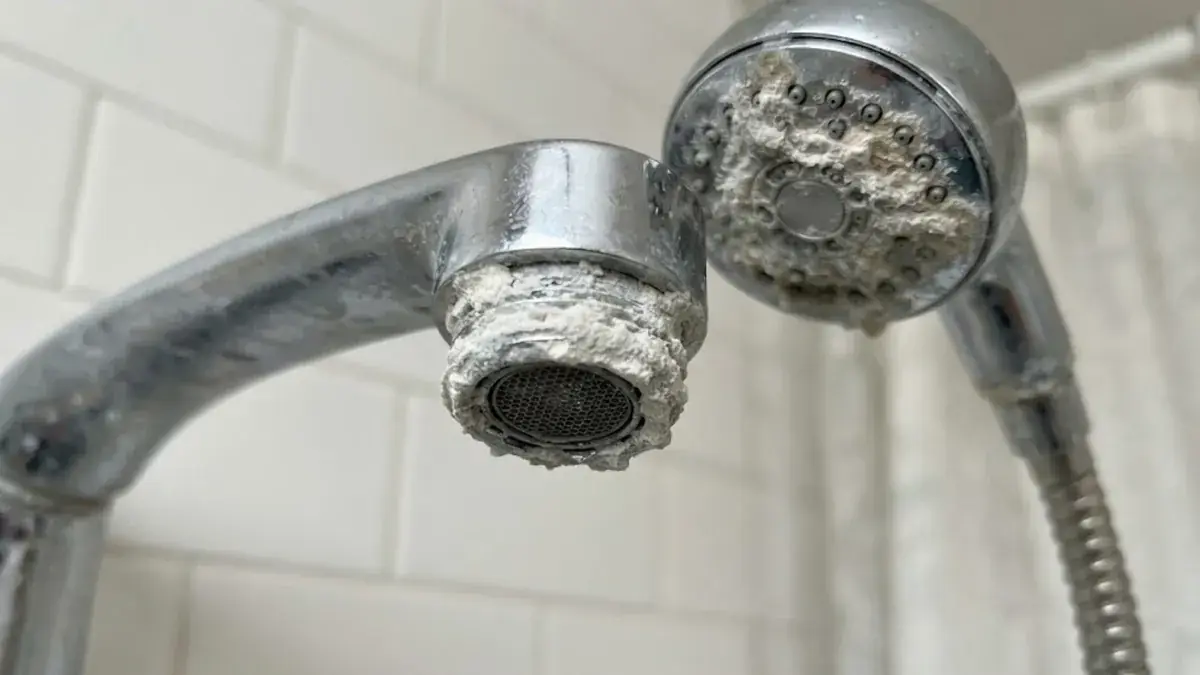
A water softener in Marina, CA addresses mineral hardness, the cause of white scale on faucets, cloudy glassware and crusty showerheads. We handle the plumbing side of softener and filtration systems, from first installation to replacing an older tank and fixing leaks at the connections.
A licensed and insured plumber checks your pressure, shutoffs and drain options, then gives you a clear price before work starts. We offer same-day appointments when available.
What Marina water reports say about hardness
Marina Coast Water District publishes a yearly water quality report. Its 2025 report lists total hardness for the whole system, not by neighborhood. Treat these figures as a guide to what your tap is likely to deliver.
| Measure | 2025 figure |
|---|---|
| Average total hardness | about 10.5 grains per gallon (180.3 mg/L) |
| Reported range | 4.9 to 19.3 grains per gallon (84 to 330 mg/L) |
| Source | Groundwater from district wells |
| Disinfectant | Chlorine |
| Drinking water standard for hardness | None |
Hardness is not a regulated drinking water standard, so a reading of 10.5 is not a violation of anything. It is a comfort and equipment issue. The district itself suggests flushing water heaters regularly to limit mineral buildup. We do not claim any difference between parts of town, because the district reports one system-wide figure.
Signs of hard water at home
Scale builds slowly, so many people notice it only after a fixture fails. If three or more of these sound familiar, hardness is likely part of the story.
- White or tan crust around faucet spouts and showerheads.
- Spots on dishes and glassware, even after the dishwasher.
- Soap that does not lather well, and a film in the tub.
- A water heater that rumbles or pops, signaling sediment.
- Falling flow at fixtures over a few years as scale narrows pipes and aerators.
- Heating elements or heat exchangers that fail earlier than expected.
Some of these symptoms overlap with other issues. Low pressure can come from a failing regulator, for example. We check the plumbing first and recommend treatment only when it fits.
Softener or filter: different tools for different problems
People often ask for one system that solves everything. Softeners and filters do different jobs, and the right choice depends on what you want to change.
| System | What it addresses | What it does not do |
|---|---|---|
| Salt-based softener | Hardness minerals, by exchanging them for sodium or potassium | Does not remove chlorine taste |
| Carbon filter | Chlorine taste and odor in drinking water | Does not remove hardness |
| Sediment filter | Sand and particles | Does not change dissolved minerals |
| Reverse osmosis at one tap | Dissolved solids at a drinking tap | Not meant for whole-house flow |
MCWD uses chlorine for disinfection, so a carbon filter can help if the taste bothers you. A softener is the tool for scale. Many homes use both. For other water-related plumbing work, see plumbing installation.
Where a softener connects and what it needs
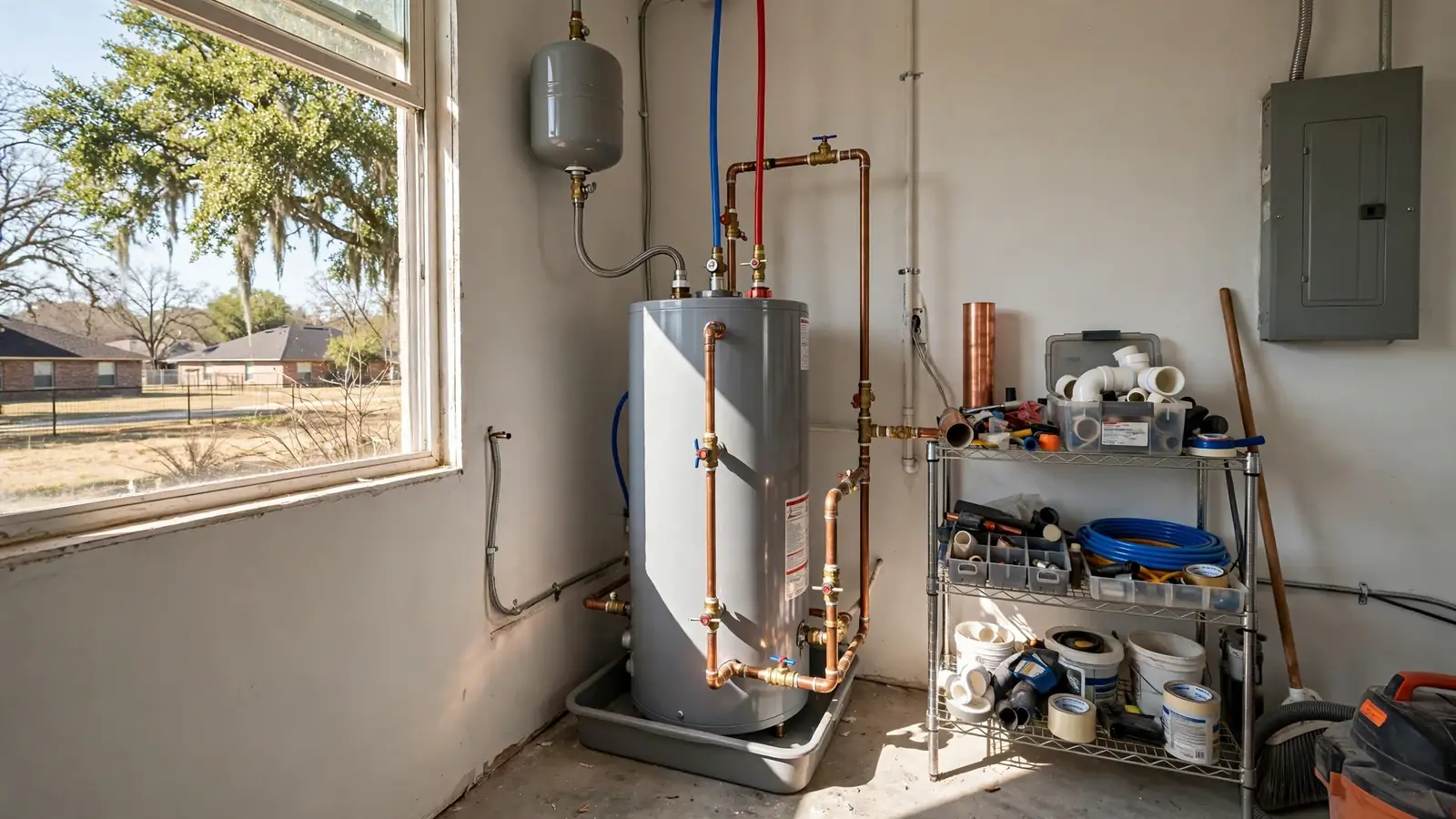
A whole-house softener goes on the main supply after the shutoff and before the water heater, so hot and cold lines both get treated. Most installs also leave an untreated line to outdoor hose bibs. The unit needs a drain for regeneration water, a power outlet, and enough floor space for the tank and salt.
Choose the spot
We pick a location near the main supply with access to a drain and power.
Tie into the supply
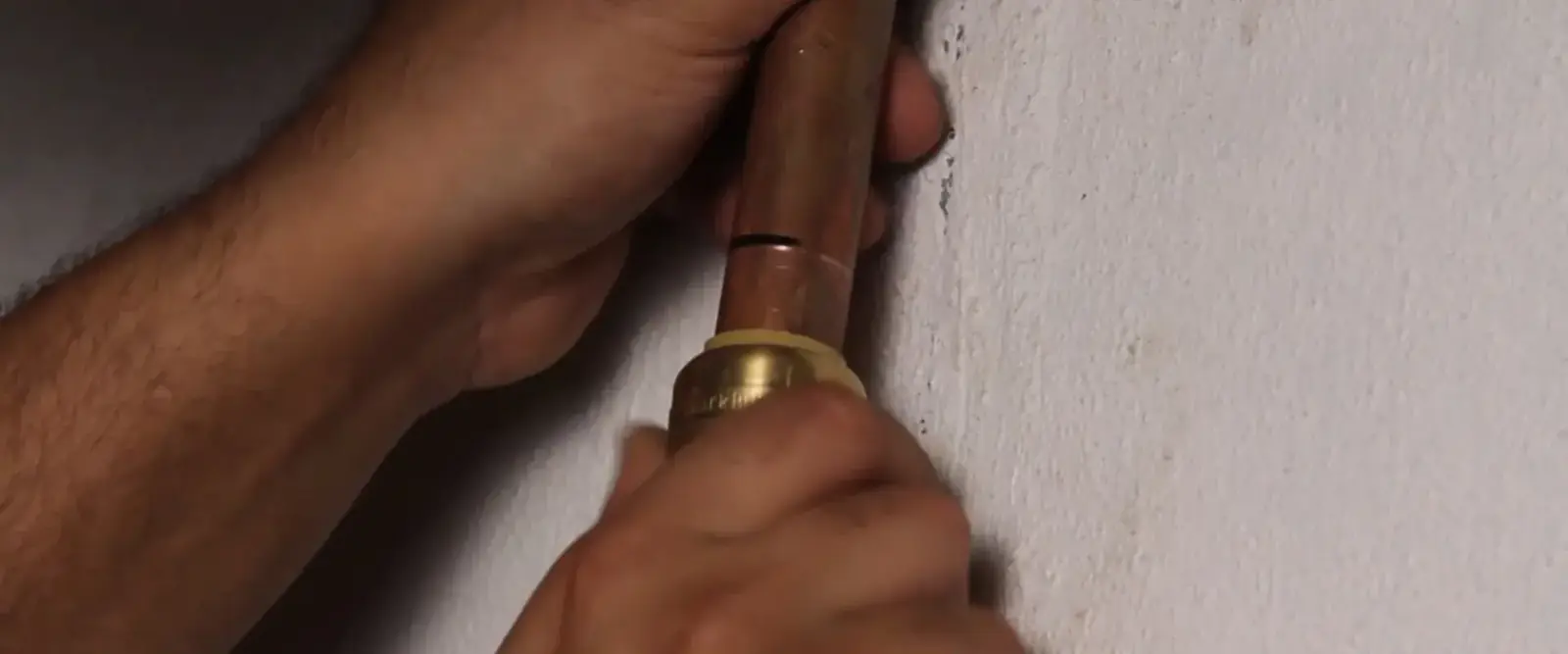
We install shutoffs and a bypass valve so the unit can be isolated for service.
Run the drain
We route the regeneration drain with an air gap to the proper receptor.
Test
We check pressure, flow and leaks, then confirm hot and cold taps work as expected.
The bypass matters. It lets you keep water on during service, and it protects the rest of the house if the unit develops a leak.
Repairing or replacing an older softener
People call when a softener leaks, drains constantly, loses pressure or stops delivering soft water. Many problems come from the connections, valve and drain, which fall under plumbing. Resin, controllers and salt are the manufacturer's territory.
- Leaking at inlet and outlet fittings or the bypass valve.
- A drain line that runs all the time or backs up.
- A tank that cracks or weeps at the base.
- Pressure that drops when the softener is in service.
- An old system that costs more to keep running than to replace.
If you are replacing a softener or switching to another approach, we can disconnect the old unit and reconnect the supply. Our water heater installation page explains the related safety parts.
Protecting the water heater from scale
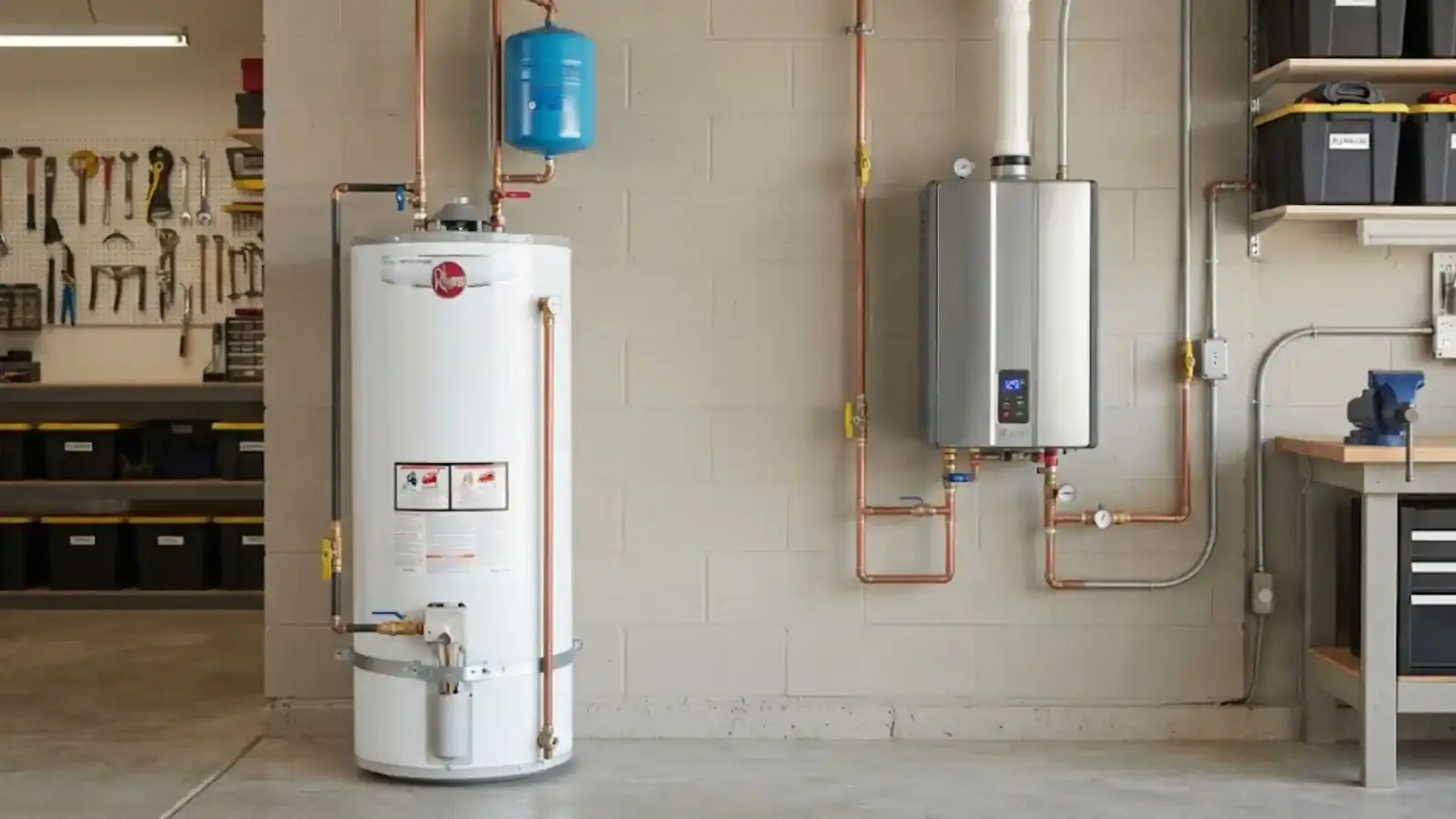
Your water heater is where hardness does the most damage. Minerals settle on the bottom of a tank and coat elements, shortening life and raising energy use. A softener upstream reduces that load. A regular flush, as the district recommends, handles what still builds up.
On-demand units are even more sensitive, since scale narrows tiny passages in the heat exchanger. If you own one or plan to buy one, see tankless water heater for descaling and flush details.
Questions to ask before you buy a system
Water treatment is a crowded market with a lot of sales pressure. These questions keep the conversation honest.
- What exact problem will this system fix, and how will I know it worked?
- What does it need for salt or filter changes, and how often?
- Where does the drain water go, and is the connection correct?
- How is the unit bypassed during service?
- Does the pitch rely on claims about Marina water that I can check in the district report?
Call (855) 575-2890 any time. Our 24/7 line is open for planned work and for leaks that cannot wait.
Frequently asked questions
Marina Coast Water District's 2025 report shows average total hardness of about 10.5 grains per gallon, with a range of 4.9 to 19.3. That is moderately hard to hard. The district reports one system-wide figure.
Hardness is not a regulated drinking water standard. It mainly affects scale, soap use and appliances. For health questions, read the district's report or ask a qualified professional.
The 2025 report describes chlorine disinfection. If chlorine taste bothers you, a carbon filter can reduce it. A softener does not do that job.
It reduces scale load, which helps tanks and heat exchangers. Regular flushing is still worthwhile, and the district suggests flushing per the maker's guidance.
Yes. We handle the plumbing connections, bypass valve, drain routing and testing. We will also tell you if a smaller solution fits your goals better.
Put the unit on bypass if you can, or close the shutoff to the supply. Then call us. Leaks at fittings or the drain line are common and often repairable.
Permit rules for softeners are set by the city, and we do not guess at them. The Building Division at (831) 884-1241 can say what your project needs.
Our line is open 24 hours a day. We offer same-day appointments when available. A leaking tank is worth a call right away, even at night.