Repiping means replacing the water supply lines inside a house, and for many Marina, CA owners it comes up after the third or fourth leak. This page explains how to tell whether repair or repiping makes sense, how the materials compare, what published cost guides show, and what the work involves.
We look at your actual pipes first, then explain the choices in plain words. You get a clear price before work starts. Licensed and insured plumbers serve Marina, Seaside, Castroville and nearby Monterey County.
Warning signs your supply pipes are wearing out
One leak does not mean the whole house needs new pipe. A pattern does. Plumbers look for several of the following together.
- Repeated pinhole leaks in different rooms.
- Rust-brown or yellow water when you first open a tap.
- Low pressure at several fixtures that does not clear after cleaning aerators.
- Green crust or stains on exposed copper, or flaking on older steel pipe.
- Water stains on ceilings or walls that return after a patch.
- A rising bill with no obvious fixture leak.
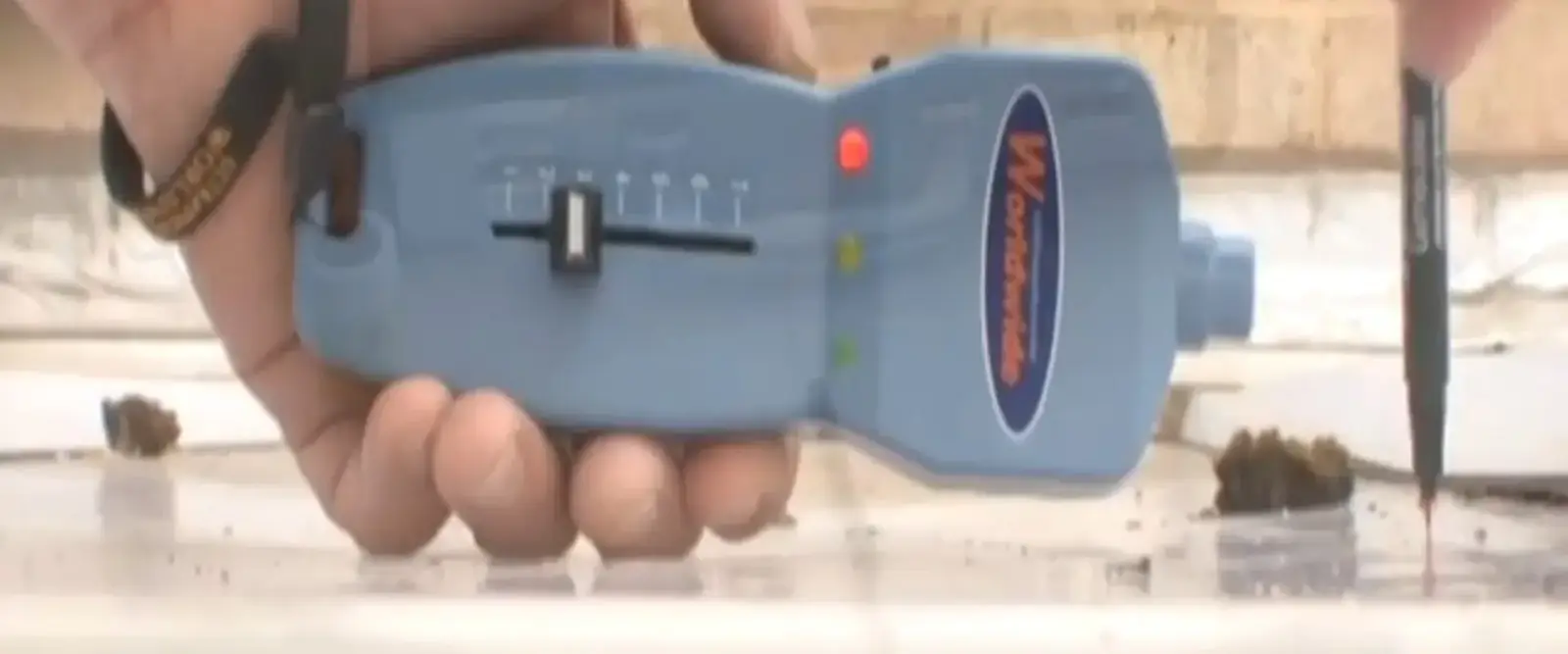
Confirm that the problem is in the pipes, not a single fixture. Our leak detection service can map the trouble spots first.
Pipe materials compared
Three materials are common today. Each has trade-offs, and the right one depends on the house and your budget. The notes below are general plumbing knowledge, not findings about Marina homes.
| Material | Strengths | Trade-offs |
|---|---|---|
| PEX | Flexible, fewer fittings, often easier to run through finished walls | Not for outdoor sun exposure, and needs correct fittings |
| Copper | Long track record, rigid and fire resistant | More labor, higher material cost, can pinhole in some water |
| CPVC | Lower cost and easy to join | Can turn brittle with age and heat |
General knowledge: older homes in the United States sometimes have galvanized steel, which corrodes from the inside, or polybutylene, a gray plastic pipe used from the 1970s to the mid-1990s that is known for failures. Neither is a Marina finding. A plumber confirms what is in your walls by looking.
Repair a section or repipe the house
Repair is cheaper today. Repiping is cheaper if repairs keep coming. The decision comes down to pattern and condition.
| Situation | Likely best move | Why |
|---|---|---|
| One leak, pipe otherwise sound | Repair the section | Little reason to replace sound pipe |
| Pinholes in two or three rooms | Replace the affected runs, or repipe | Failures usually spread along the same pipe |
| Pipe known to be failing, like polybutylene | Repipe | Replacement removes the risk across the house |
| Leaks under the slab | Reroute overhead or repipe | Covered in slab leak repair |
A sudden break is a different case. See burst pipe repair for shutoff steps and quick fixes.
What repiping typically costs
Independent, California-specific guides are scarce, and most published figures are national. The best California figure we found was published by a repiping contractor in May 2026, so treat it as a contractor's estimate and not a neutral survey. It is not a Marina quote.
| Home size | Typical range from that guide |
|---|---|
| Small home, 1 to 2 bedrooms, under 1,200 sq ft | $4,000 to $8,000 or more |
| Average 3-bedroom home | $8,000 to $15,000 or more |
| Larger home, 4 or more bedrooms | $15,000 to $30,000 or more |
The same guide puts PEX at about $0.50 to $0.75 per foot for material and copper at $2 to $4. Home size, number of fixtures, wall and ceiling access, pipe material and patching drive the price. Finish repairs are often quoted separately, so ask what is included before you compare bids.
Marina water, permits and licensing
Marina Coast Water District pumps groundwater from wells and disinfects it with chlorine. In 2025 the district reported average total hardness of 10.54 grains per gallon, with a range of about 4.9 to 19.3. Hardness is not a regulated standard, but it means scale can build up in water heaters and fixtures, so new pipe does not replace regular flushing.
The district reports that all service lines in its area were verified as non-lead, and its inventory found no galvanized service lines. That covers the service connection only and says nothing about pipes inside a house. Whether a repipe needs a city permit should be confirmed with the Marina Building Division at (831) 884-1241.
California requires a contractor license for projects totaling $1,000 or more. A repipe is well above that. Check any license with the state board at 1-800-321-2752. About 57% of Marina homes are not owner-occupied by Census figures, so renters should ask their landlord rather than hire work themselves.
What the work looks like
Walkthrough
The plumber checks pipe material, shutoff valves, water pressure and access points, and counts fixtures.
Written scope and price
You get the material, the number of access openings and what is included in patching.
Shutoff schedule
Water is off for part of the job. Ask for the plan so you can arrange showers, laundry and cooking.
New lines installed
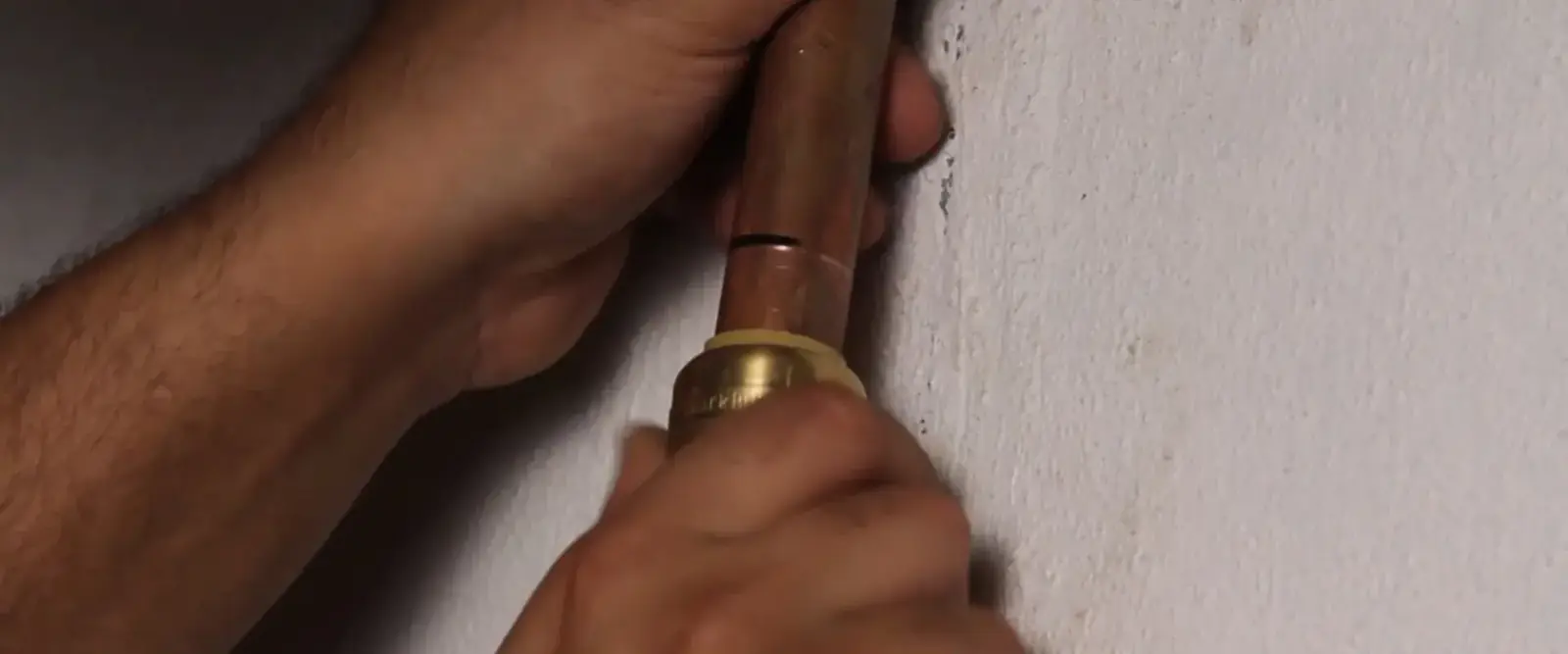
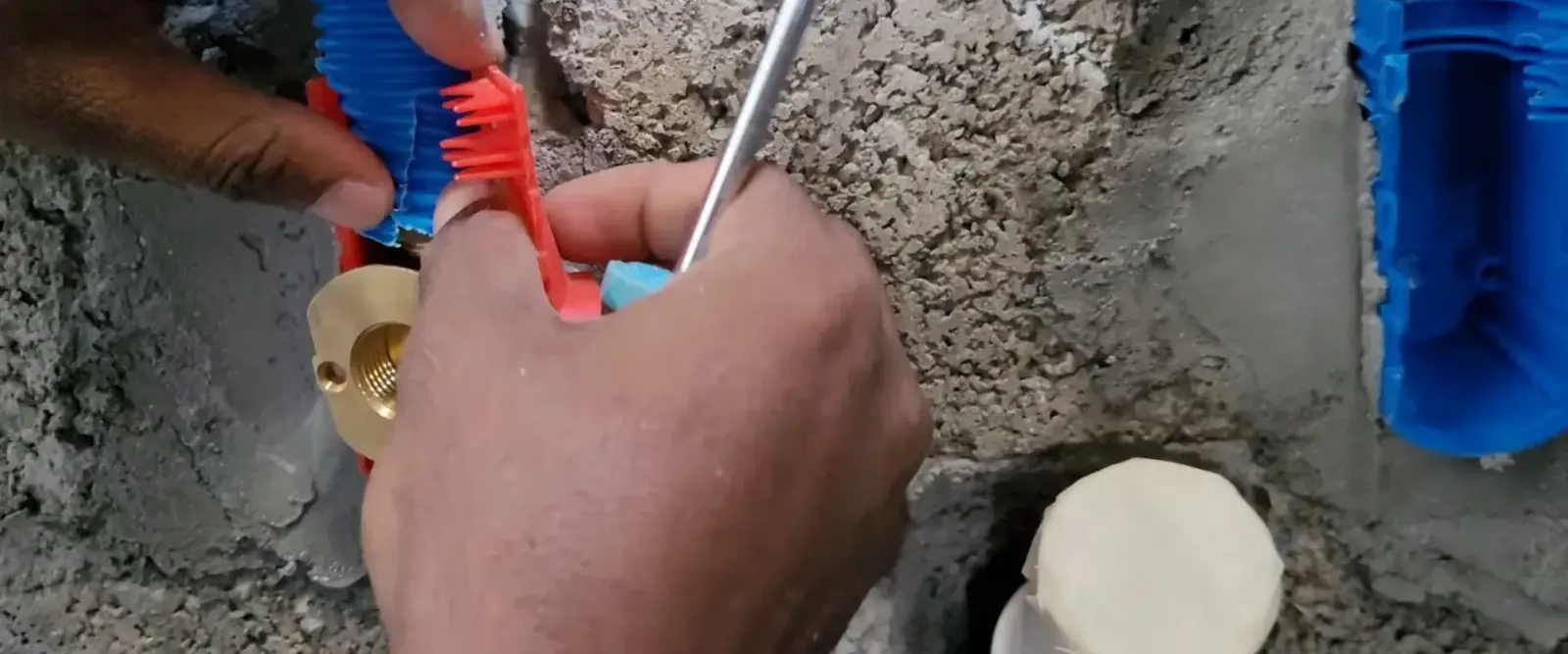
Old lines are cut out and new pipe is run through walls, attics or crawl spaces.
Pressure test and patch
The system is tested before walls close. Drywall patching is finished as agreed.
If you are also planning a heater or fixture upgrade, ask about doing it at the same time through plumbing installation.
Frequently asked questions
Look for a pattern: repeated pinholes in different rooms, discolored water, falling pressure at many fixtures, and repairs that keep failing. A single leak rarely justifies a repipe. A plumber should inspect the pipe before recommending it.
It varies with the size of the house, the pipe material and access. Ask for a written schedule and a plan for when the water will be off. Finish patching may follow as a separate step.
Either can work. PEX is usually faster to install and easier to run through finished walls. Copper has a long history and rigid runs but costs more. Your plumber can recommend one after seeing the layout.
We cannot say from the city's public pages. Ask the Marina Building Division at (831) 884-1241 before work starts. Permit fees, if any, should be listed in your written quote.
As general knowledge, polybutylene is a gray plastic pipe used from the 1970s to the mid-1990s and is known for failures. If a plumber finds it in your house, repiping is commonly recommended.
If worn or clogged supply pipe is the cause, often yes. Pressure problems also come from the pressure regulator, a leak or a clogged aerator, so a plumber should test first.
Yes. Replacing only the failing runs can be a sensible middle step. The trade-off is that older sections may fail later, so ask for both options priced.