A high water bill in Marina, CA almost always has one of three causes. Water is leaking somewhere you cannot see, a toilet or irrigation system is running without anyone noticing, or the household is simply using more than usual. You can tell the first two apart from the third with a one-hour meter test that costs nothing and needs no tools.
This guide walks through that test, then the common hiding places for leaks, and what the Marina Coast Water District (MCWD) says about who is responsible. If the meter keeps moving with everything off, call (855) 575-2890. Our line is open 24 hours a day.
The one-hour meter test, step by step
The meter measures every gallon that enters your property. If it moves while no one is using water, the water is going somewhere. The meter and its box belong to MCWD, so look and read, but do not adjust or open anything inside.
Find the meter
It is usually in a concrete or plastic box near the curb or property line. Lift the lid carefully and watch for insects or debris.
Turn off every use of water
Close all taps. Pause the dishwasher and washing machine. Turn off ice makers, the sprinkler timer and any water softener recharge.
Read the meter
Write down the numbers on the dial. Note whether the small leak indicator, often a triangle or star, is turning.
Wait one hour
Do not flush a toilet or run a tap. Stay out of the house plumbing for the full hour.
Read it again
If the numbers have changed or the indicator is still turning, water is moving through your pipes with nothing turned on. That points to a leak.
If the meter stayed still, the extra water was probably real use. If it moved, shut off the main valve at the house and read the meter again for a few minutes. A meter that still moves with the house valve closed points to a leak between the meter and the house. A meter that stops points to a leak inside.
Toilets: the quiet leak that costs the most
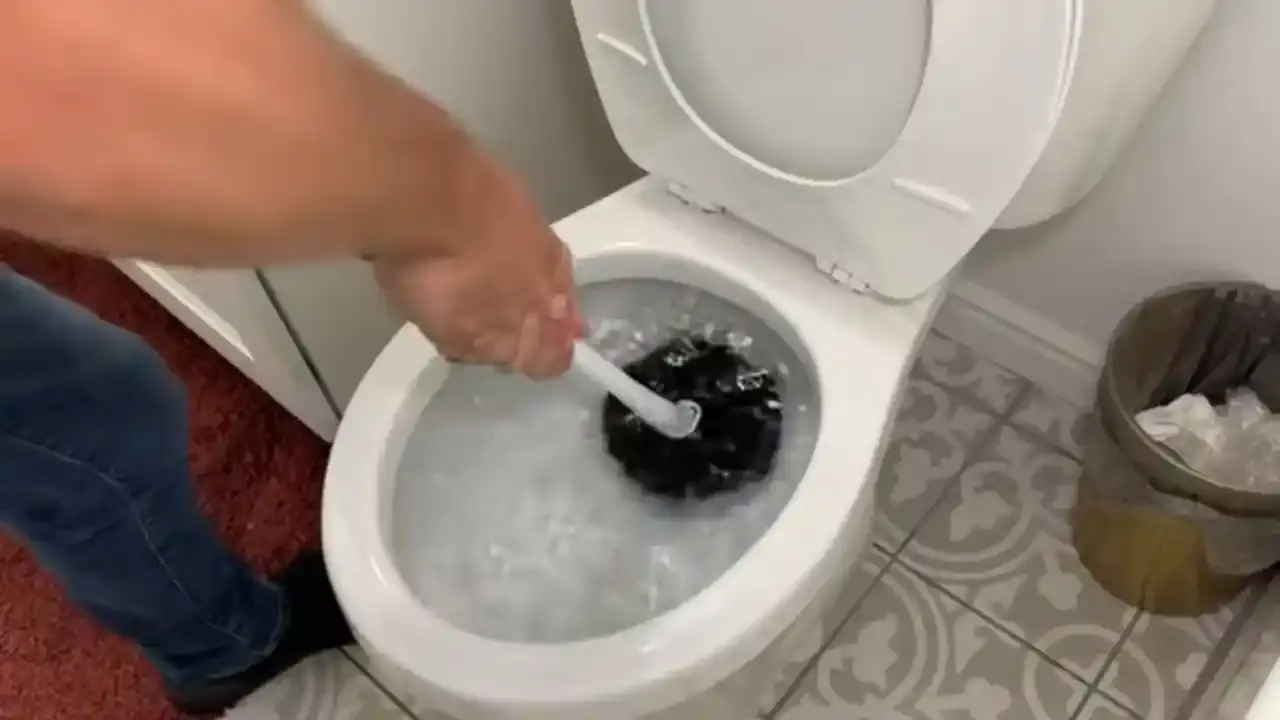
A toilet that runs, hisses or refills on its own can waste hundreds of gallons a day without making any real noise. The flapper at the bottom of the tank wears out, and water trickles past it into the bowl. You often cannot see it because the water slides down the side of the bowl.
Drop a few drops of food coloring into the tank, wait 15 minutes without flushing, and look in the bowl. Color in the bowl means the flapper is leaking. MCWD also offers free toilet leak detection tablets for the same purpose. Ask for them at (831) 883-5905.
- Replace a worn flapper, usually a quick and low-cost part.
- Check the fill valve if the tank keeps refilling.
- Listen for a hiss after the toilet has sat idle.
- Check the supply line and shutoff valve for drips.
A toilet repair is one of the most common leak fixes. HomeAdvisor's 2025 guide shows most toilet repairs at about $150 to $391, a national marketplace figure rather than a Marina quote. See our toilet repair page if the fix goes past a flapper.
Irrigation and outdoor taps
Sprinkler systems are a common source of surprise bills. A cracked head, a stuck valve or a pipe break may run underground for weeks without any wet patch on the surface. Sandy soil can absorb water fast, so the yard may look dry while water disappears.
MCWD's permanent rules apply at all times. Irrigation is allowed only before 10:00 a.m. and after 5:00 p.m. No irrigation is allowed during rain or for 48 hours after. Hoses need an automatic shutoff. A timer set to run at noon or an overnight cycle that never stops is both a waste and a rule problem.
- Run each zone by hand and watch for geysers or soggy spots.
- Check hose bibs for dripping.
- Look for a spinning meter while the sprinkler timer is off.
- Confirm the timer's schedule matches MCWD's allowed hours.
Hidden leaks inside the walls and under the floor
If the meter test says water is moving and the toilets and sprinklers are clean, the leak may be in a supply line inside a wall, under the slab, or between the meter and the house. Signs include warm floor spots, the sound of running water, damp baseboards and a musty smell.
| Where the water goes | Clue | Next step |
|---|---|---|
| Toilet flapper or fill valve | Dye shows in the bowl | Repair the toilet parts |
| Irrigation line or valve | Meter moves, house is dry, soggy yard | Isolate zones, repair the line |
| Supply line in a wall | Stain on a wall or ceiling, hissing | Leak detection, then repair |
| Line under the slab | Warm floor, hot water bill rising | Leak detection, then repair or reroute |
| Line between meter and house | Meter moves with the house valve closed | Locate and repair the water service line |
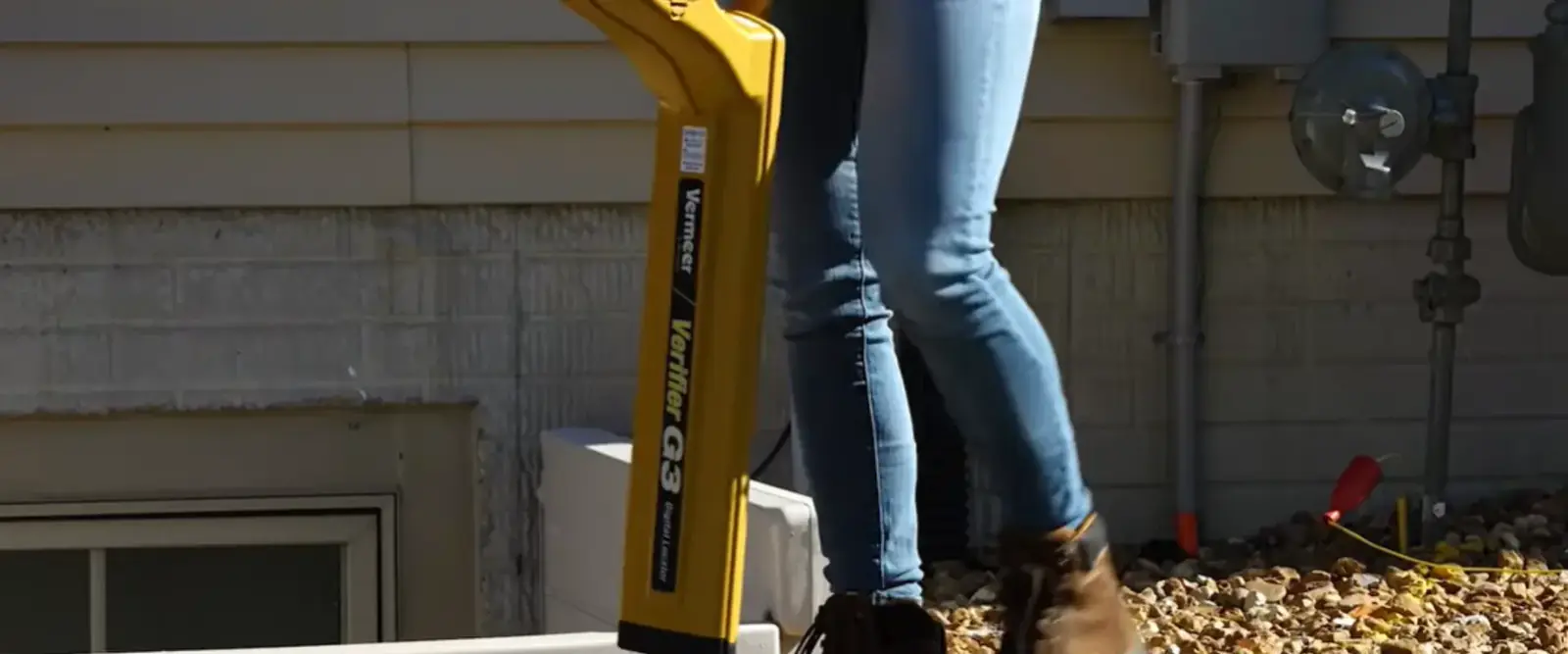
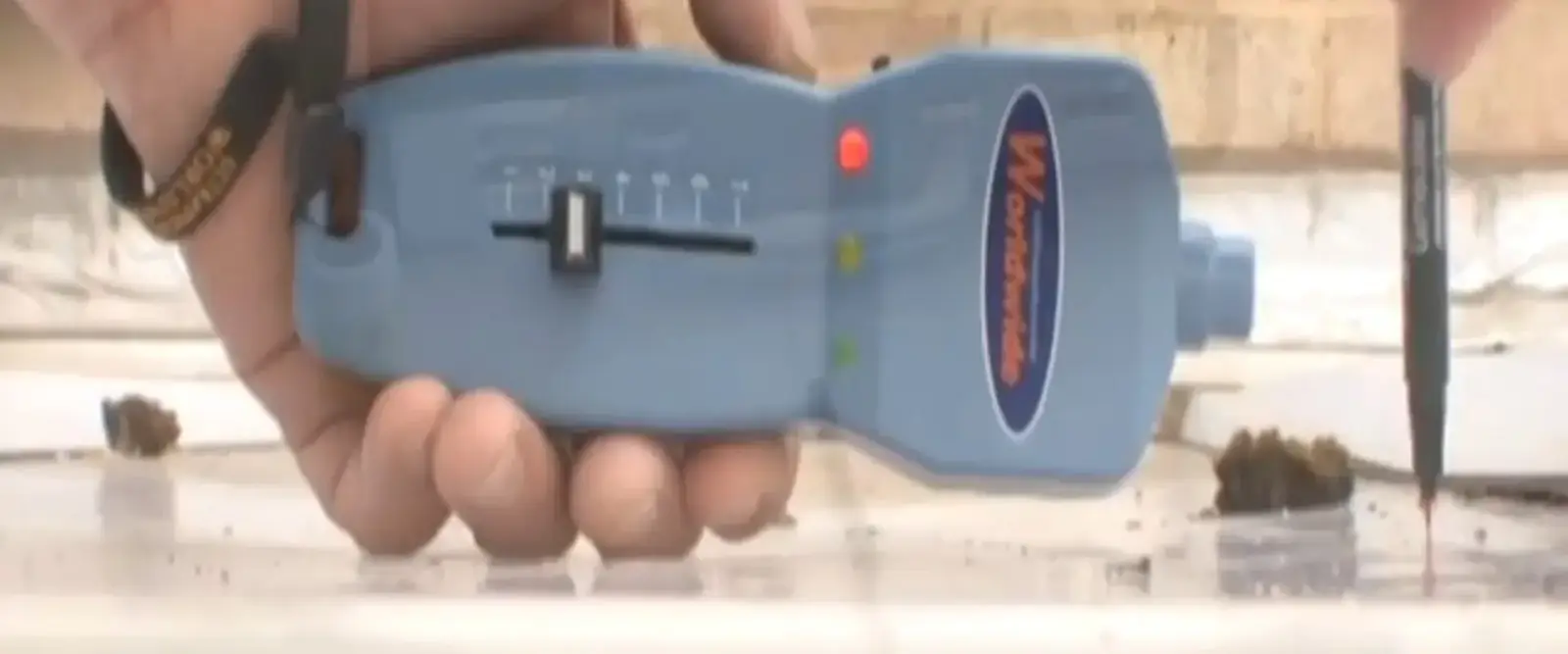
When the source is not obvious, leak detection uses acoustic listening devices and pressure checks to pinpoint the spot, so the repair opens a small area instead of a large one. If the leak is in the line from meter to house, see our water service line repair page.
Set a repair clock: 72 hours
MCWD's use restrictions say plumbing and irrigation leaks, breaks or defects must be repaired within 72 hours. That is a firm line for an owner. It means a leak you find on a Friday should be on a plumber's schedule that day, not after the weekend.
A temporary fix counts for something. Turning off the irrigation zone or closing a toilet's supply valve stops the loss while you arrange repair. Keep notes of what you found, the date you found it and the date it was fixed. Those notes help if you later ask MCWD about your bill.
Is the high bill a meter problem?
Occasionally the meter itself is the issue. According to MCWD's code, if a meter tests more than 3 percent fast, the overcharge is refunded, generally up to six months. That is rare, and it does not apply when the meter reads correctly and water is leaking on your side. Do the one-hour test first. A moving meter with everything off is a leak, not a meter fault.
You can also read the meter at the same time each day for three days and compare. A steady, round-the-clock rise with no one home points to a leak. Spikes tied to showers and laundry point to normal use.
What MCWD's code means for your high bill
Marina Coast Water District's code states that the service connection is district property and that the district maintains the connection, including the meter and meter box, at its expense. That is why you should read the meter but never repair it. A broken meter lid or a leak at the meter box is a call to MCWD, at (831) 883-5900, its customer service and 24-hour emergency line.
The code puts the customer in charge of pipes and fixtures on the house side of the meter. Section 3.04.030 says no allowance is made for water lost through faulty fixtures beyond the meter. It leaves room for a credit only when a leak happened without the customer's negligence, and even then the district may allow a credit. Treat any credit as a bonus, not a plan. Repair promptly so that negligence is not a question.
MCWD also lists a free toilet leak detection tablet and a free water-saving checkup. Both are worth a phone call before you pay for diagnostics. The district's conservation line is (831) 883-5905. If the checkup finds nothing, a plumber with leak detection equipment is the next step. We serve Marina, nearby Seaside and Castroville, and we give a clear price before work starts.
Frequently asked questions
The common reasons are a leaking toilet, an irrigation break, or a leak in a supply line. Run the one-hour meter test. If the meter moves with everything off, you have a leak. If it does not, look at household use, guests, a new appliance or a sprinkler schedule change.
Turn off all water inside and out, read the meter, wait one hour without using water, and read it again. If the numbers changed, or the leak indicator is still turning, water is leaking. Do not open the meter or touch its valves, since the meter belongs to MCWD.
It may, but it is not automatic. MCWD's code says there is no allowance for loss of water through faulty fixtures beyond the meter. It adds that where a leak occurred without negligence by the customer, the district may allow a credit for the estimated loss. Ask MCWD directly and keep your repair records.
The owner. MCWD owns the meter and service connection up to the end of its connection. The customer is responsible for pipes and fixtures on the customer side. A repair on your side of the meter is your responsibility.
Yes. A silent flapper leak can run all day. It does not make noise, so it often goes unnoticed. Use dye or MCWD's free toilet leak tablets to check.
MCWD offers a free water-saving checkup that includes leak checks. Call (831) 883-5905 to ask about it. We cannot speak for what the visit covers, so confirm details with MCWD.
MCWD's rules say plumbing and irrigation leaks, breaks or defects must be repaired within 72 hours. Stop the loss first, then book the repair.
Then the extra water is probably used, not leaked. Think about guests, a new appliance, a pool top-off or irrigation schedule changes. Compare your last few bills, and look at the daily usage if your bill shows it.