Hydro jetting is safe for old pipes in Marina, CA only when the pipe is still structurally sound. On healthy pipe, a jet clears grease, scale and roots better than a cable. On cracked, collapsed or badly corroded pipe, high-pressure water can make a weak spot worse. That is why a camera inspection comes first whenever the pipe's condition is unknown.
The pipe material matters. Plastic and well-kept cast iron handle jetting differently from old clay or Orangeburg. This guide sorts pipes by risk, explains the red flags, and shows what a careful visit looks like. If a line is backing up now, call (855) 575-2890, because we answer 24 hours a day.
What a jet does that a cable cannot
A drain cable, or snake, punches a hole through a clog. The water usually flows again, but a coating of grease and scale stays on the pipe wall. The next clog forms on that coating, which is why some drains clog again within weeks.
A hydro jetter sends water through a hose and a nozzle that fires jets forward and backward. The backward jets pull the nozzle along and scour the pipe wall as the hose retracts. The result is a cleaner pipe, not just an open one.
- Best for grease buildup in kitchen and main lines.
- Good for scale and sludge that cables skip.
- Effective on soft root growth when the pipe is intact.
- Not meant to repair a crack, a belly or a collapsed section.
Our hydro jetting page covers the service itself. Here we focus on the safety question, because it decides whether jetting is the right tool at all.
Pipe material decides the risk
The table below is general plumbing knowledge, not a statement about any Marina home. We cannot tell what pipe your house has without looking. Trade sources agree on one point: older, corroded cast iron and clay can be fragile, and the line should be inspected before pressure goes in.
| Pipe type | Jetting risk (general knowledge) | What to do first |
|---|---|---|
| PVC or ABS plastic | Low when pressure is matched to pipe size | Jetting is usually fine |
| Cast iron, sound | Moderate | Camera first if the line is old or rough inside |
| Cast iron, corroded or flaking | Higher, since thin walls can fail | Camera first, consider lining or repair |
| Clay (vitrified) | Moderate to high, since joints and cracks can shift | Camera first, use lower pressure |
| Orangeburg (bonded fiber) | High, since the pipe can warp and soften | Camera first, jetting is often a poor fit |
| Pipe with a liner | Depends on the liner | Check manufacturer limits before jetting |
Orangeburg is a bonded fiber pipe used in mid-century sewer laterals. A 2023 trade-press article says it begins to deform and warp after about 30 years, and that a flattened pipe can be further damaged by drain-cleaning tools. The article does not discuss jetting by name, so treat it as a caution to inspect, not a rule.
Camera first: when it matters
A sewer camera is a small waterproof lens on a flexible rod. It travels down the line and sends live video to a screen. The video shows roots, cracks, offset joints, sagging sections and the actual pipe material. Then the choice of tool is based on what you can see instead of a guess.
A camera makes the most sense when any of these are true:
- You do not know the pipe material.
- The line has backed up more than once in a year.
- You see gurgling from several drains.
- Snaking brings up chips of pipe, rust flakes or dirt.
- You are buying or selling the home and want the line checked.
Published cost guides from marketplaces list a camera inspection at about $100 to $500 (national figures from HomeAdvisor and others, 2024 to 2026). That is a small fraction of a bad surprise under a driveway. Our sewer inspection service walks through what the video shows and what each finding means.
Red flags that say do not jet yet
A few signs mean pressure is the wrong first move. If you see them, ask for the camera before anyone starts the machine.
- Water comes up in the yard or garage when the line is used.
- A cleanout shows dirt or sand rather than clear pipe.
- The previous cleaning pulled out pieces of the pipe itself.
- The sewer lateral is known to be older fiber or clay.
- A bellied section holds water in the line.
None of these mean your pipe cannot be cleaned. They mean the pipe might need repair first, or a gentler method. A cable with a cutting head, a lower-pressure jet, or a liner or spot repair might be the right choice instead.
A note on pressure numbers
Trade sources list different safe limits by material. One article on plastic gravity sewer pipe suggests not exceeding 1,400 psi at the tool. Another says liner nozzles should stay below 2,000 psi. These figures do not cover cast iron or Orangeburg. A technician matches pressure and nozzle to what the camera shows.
What a careful jetting visit looks like
Locate the cleanout
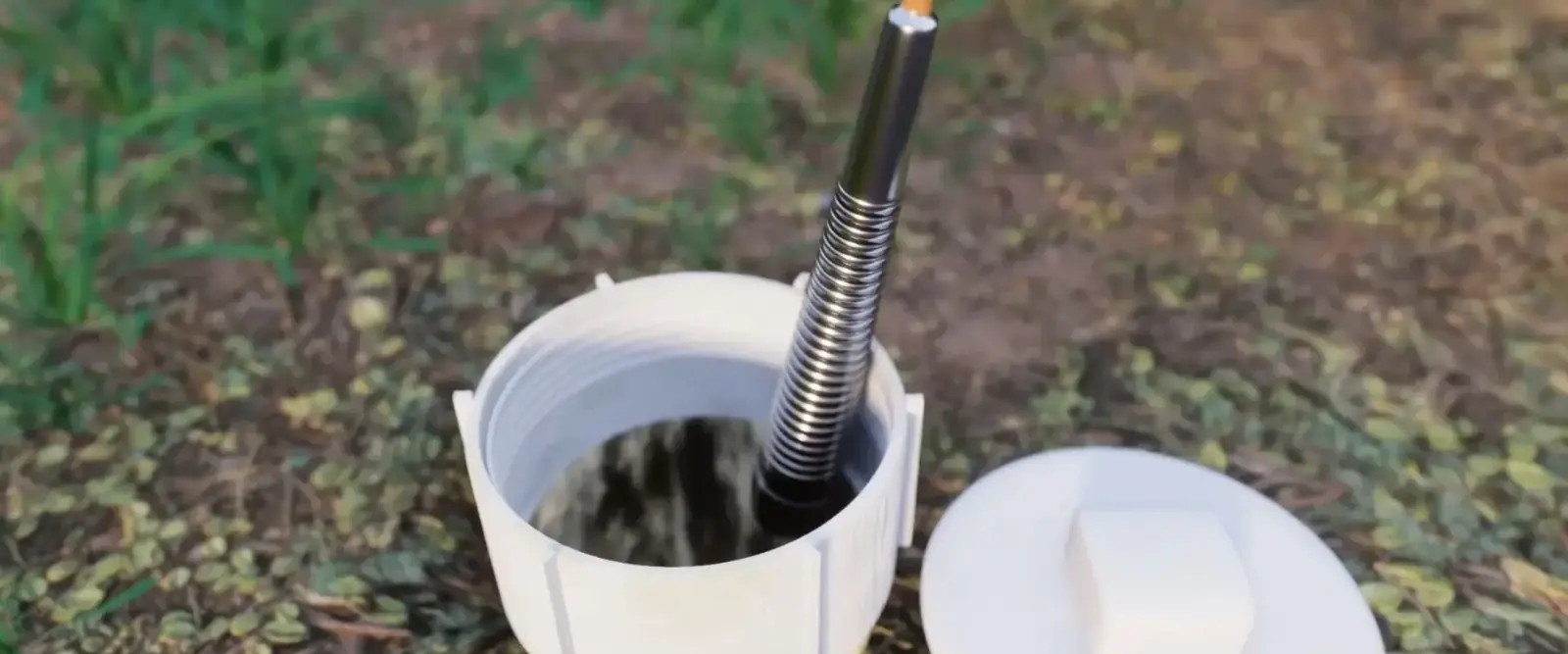
The jetter needs access. A cleanout outside the house is best. Without one, the hose may go in through a toilet or a roof vent, which takes longer.
Look before you blast
For older or unknown pipe, a camera pass shows the condition first. For a recently installed plastic line, the tech may go straight to cleaning.
Start at low pressure
The tech feeds the hose in and works up pressure only as needed. The nozzle moves steadily so it never sits against one spot.
Clean on the way back
As the hose retracts, jets scour the wall. Debris flushes downstream with the water.
Confirm with video
A second camera pass shows the pipe wall after cleaning and lets you see what remains, such as a crack or root entry point.
We give a clear price before work starts, and the choice between jetting, a cable or a repair is explained in plain terms. For small, sink-level clogs, a cable or drain cleaning visit is often enough. For a bigger main line problem, jetting or sewer line cleaning may be the better value.
What jetting costs, in general terms
HomeAdvisor's 2025 guide shows a standard residential jetting visit at about $350 to $600, with an average near $475. It lists minor clogs at about $100 and severe cases up to $2,000. These are national marketplace figures, not Marina quotes.
Several things move the price. Access matters most, since a good cleanout makes the job shorter. The length and size of the line, how much buildup is inside, and whether a camera pass is included also change the total. If the camera finds damage, the real decision is repair versus replace, which is a separate quote.
Your side sewer, MCWD's rules and why access matters
Under Marina Coast Water District code, section 5.16.090, the property owner maintains the side sewer that serves the property. If the lateral is damaged, you decide on the cleaning or repair method. That makes the camera inspection a decision tool for you, not a formality.
Section 5.16.120 of that code also sets where cleanouts go, and a cleanout is the access point a jetting hose needs. For jetting, a working cleanout means the hose enters straight and the job takes less time. If yours is buried or missing, ask about adding one during the visit.
The district wants owners watching their own laterals. The district's code also says plumbers working under its jurisdiction need a state license and must file insurance with the district. You can confirm any contractor's license with the state licensing board at 1-800-321-CSLB (2752) before work starts.
If wastewater is backing up into your home, the district takes backup reports on its two customer lines, and the numbers are on its wastewater page. Make that call too, since a blockage downstream of your property is the district's to clear. We also serve nearby Seaside and Castroville.
Frequently asked questions
It can if the pipe is thin and corroded. Sound cast iron often handles jetting well. Corroded or flaking cast iron can fail under high pressure. That is why we recommend a camera look first when the pipe is old or rough inside.
It can be, at the right pressure, when the pipe is intact. Clay joints and cracks are the weak points. A camera shows the joints first, and the tech can adjust pressure. If joints are offset or the pipe is cracked, jetting may push water out into the soil.
Usually not as a first move. Orangeburg can warp and soften with age. Trade sources warn that drain-cleaning tools can damage a flattened pipe. A camera inspection is the safer starting point, and repair or lining is often the lasting answer.
A camera is the surest way. The video shows the pipe wall and joints. Sometimes the material is visible at the cleanout. We cannot tell by address alone, so we look before we choose a method.
Not for good. Jetting can cut and flush soft roots, and it cleans the wall. But roots grow back through the same gap. If the camera shows the entry point, a spot repair or liner closes it and keeps the pipe clear longer.
It can if pressure exceeds the liner's limit. Trade sources give limits for liners, and they vary by product. Tell the technician if your lateral was relined, and bring any paperwork you have.
For heavy grease, yes. A cable opens a hole through the clog, and a jet scours the whole wall. For a single slow sink with a simple clog, a cable or trap cleaning is usually enough.
Call (855) 575-2890 any hour. We take backup calls around the clock, and same-day appointments are available when we have openings. For an active sewer backup, stop using water while you wait.